Iceland powers Scottish distribution centre with 3,300-panel solar system

Iceland
NewsSupply ChainTechnology

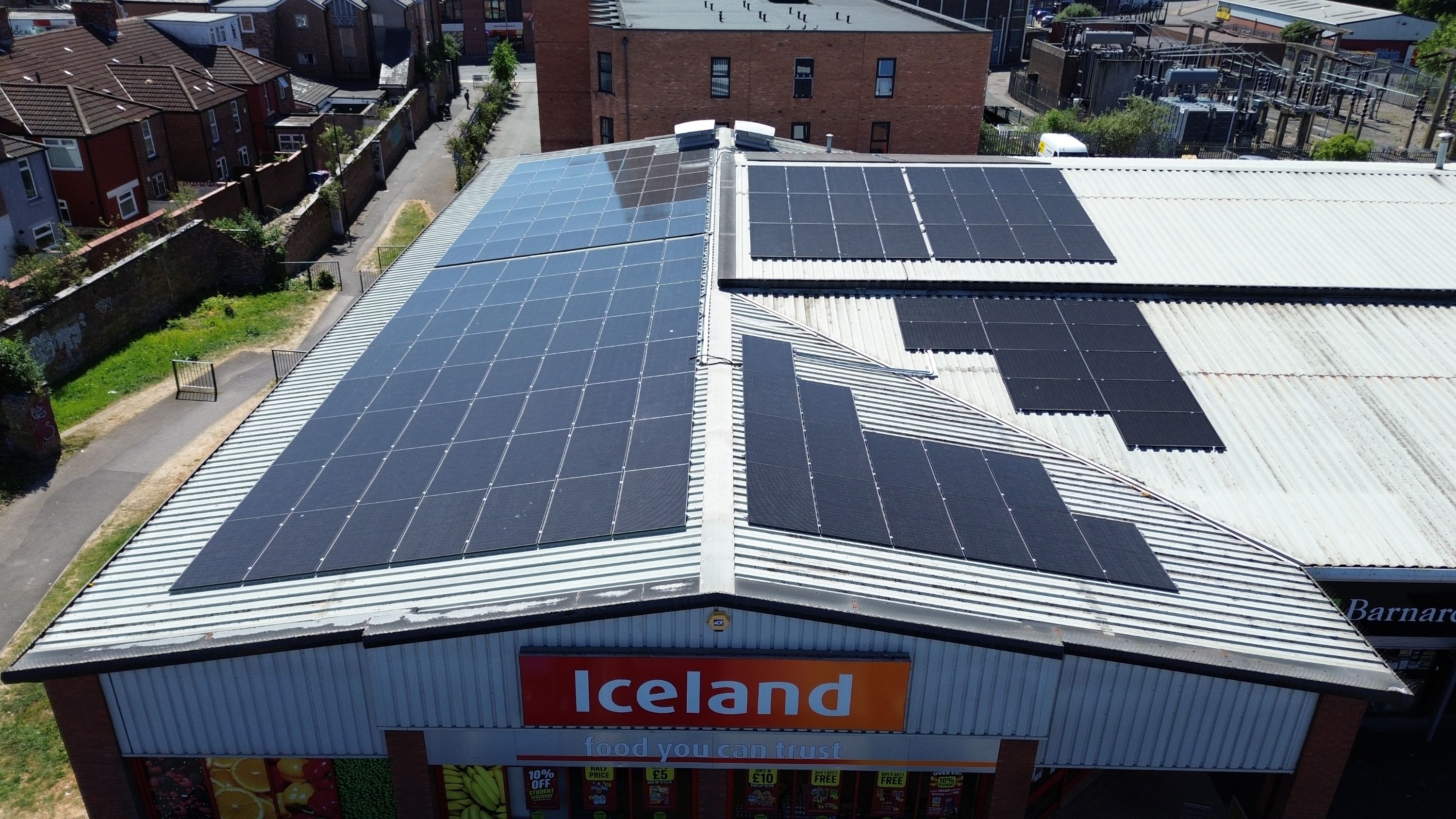
Iceland Foods has switched on a 1.5MW rooftop solar system at its Livingston distribution centre, in a bid to cut energy costs and reduce emissions across its supply chain.

The installation, which covers the roof of one of Iceland’s key UK logistics sites, includes 3,300 solar panels and is expected to generate around 1.6GWh of renewable electricity each year.

The retailer said the system will cut carbon emissions by about 202 tonnes of CO2e annually, while reducing its reliance on grid electricity at the Scottish distribution hub.

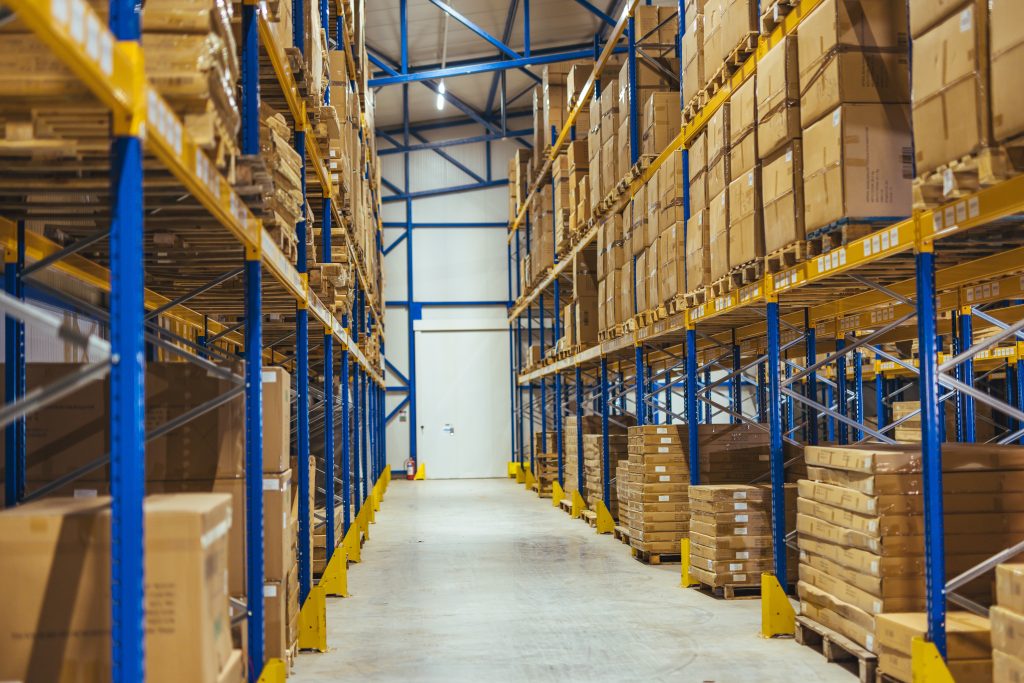
The Livingston site plays a major role in Iceland’s supply chain, supporting the storage and distribution of frozen and ambient products to almost 1,000 stores nationwide.

The project was designed and delivered by Seed Renewables, funded by Zestec Renewable Energy through a power purchase agreement, and backed by Octopus Energy Generation.

Under the funded model, Iceland has been able to add on-site renewable generation without upfront capital expenditure. The agreement also includes ongoing operations and maintenance support.

Iceland director of energy and maintenance services Graham Ireland said: “Sustainability remains a key focus for Iceland, and this project represents another significant milestone in our journey to reduce carbon emissions across our operations.

“The Livingston distribution centre is a critical part of our UK supply chain network, so maintaining business continuity throughout the project was essential.”

Zestec Renewable Energy senior project manager Russ Kelsall said the frozen food sector was well suited to solar investment because of its high and consistent electricity demand.

“The frozen food sector’s energy demand is a prime example of a high static electrical load that can be easily supplemented by solar electricity,” he said.

“At this site, the rooftop solar system will contribute, long term, to carbon reduction and energy cost saving for the well-known high street brand.”

Seed Renewables chief operating officer Brenton Spear said the project had created a “high-performing renewable energy asset” that would deliver long-term value for Iceland.

The investment comes as food retailers continue to look for ways to bring down operating costs across energy-intensive parts of their estates, particularly warehouses, cold storage and distribution centres.

Click here to sign up to Retail Gazette‘s free daily email newsletter

NewsSupply ChainTechnology

Leave a Reply

Your email address will not be published. Required fields are marked *

Fill out this field
Fill out this field
Please enter a valid email address.

Iceland powers Scottish distribution centre with 3,300-panel solar system

Iceland

Iceland Foods has switched on a 1.5MW rooftop solar system at its Livingston distribution centre, in a bid to cut energy costs and reduce emissions across its supply chain.

The installation, which covers the roof of one of Iceland’s key UK logistics sites, includes 3,300 solar panels and is expected to generate around 1.6GWh of renewable electricity each year.

The retailer said the system will cut carbon emissions by about 202 tonnes of CO2e annually, while reducing its reliance on grid electricity at the Scottish distribution hub.

The Livingston site plays a major role in Iceland’s supply chain, supporting the storage and distribution of frozen and ambient products to almost 1,000 stores nationwide.

The project was designed and delivered by Seed Renewables, funded by Zestec Renewable Energy through a power purchase agreement, and backed by Octopus Energy Generation.

Under the funded model, Iceland has been able to add on-site renewable generation without upfront capital expenditure. The agreement also includes ongoing operations and maintenance support.

Iceland director of energy and maintenance services Graham Ireland said: “Sustainability remains a key focus for Iceland, and this project represents another significant milestone in our journey to reduce carbon emissions across our operations.

“The Livingston distribution centre is a critical part of our UK supply chain network, so maintaining business continuity throughout the project was essential.”

Zestec Renewable Energy senior project manager Russ Kelsall said the frozen food sector was well suited to solar investment because of its high and consistent electricity demand.

“The frozen food sector’s energy demand is a prime example of a high static electrical load that can be easily supplemented by solar electricity,” he said.

“At this site, the rooftop solar system will contribute, long term, to carbon reduction and energy cost saving for the well-known high street brand.”

Seed Renewables chief operating officer Brenton Spear said the project had created a “high-performing renewable energy asset” that would deliver long-term value for Iceland.

The investment comes as food retailers continue to look for ways to bring down operating costs across energy-intensive parts of their estates, particularly warehouses, cold storage and distribution centres.

Click here to sign up to Retail Gazette‘s free daily email newsletter

Social


SUBSCRIBE TO OUR DAILY NEWSLETTER

  • This field is for validation purposes and should be left unchanged.
NewsSupply ChainTechnology

Leave a Reply

Your email address will not be published. Required fields are marked *

Fill out this field
Fill out this field
Please enter a valid email address.

RELATED STORIES

Latest Feature


Menu

Get Inside Matalan

A supply chain case study delivered to your inbox in three emails. The 3 elements Matalan changed to impact its bottom line..

Matalan Supply Chain Programme Form

  • This field is for validation purposes and should be left unchanged.


Close popup

Please enter the verification code sent to your email: