
ASOS credits womenswear and UK sales for return to growth

Asos
EcommerceFashionNews

Digital fashion firm ASOS has returned to quarterly GMV (gross merchandise value) growth, as its turnaround continues to gather momentum.

Ahead of the publication of its FY26 results in November, ASOS estimated that earnings would come above its midpoint guidance of £150m–£180m and gross margin above 50 per cent.

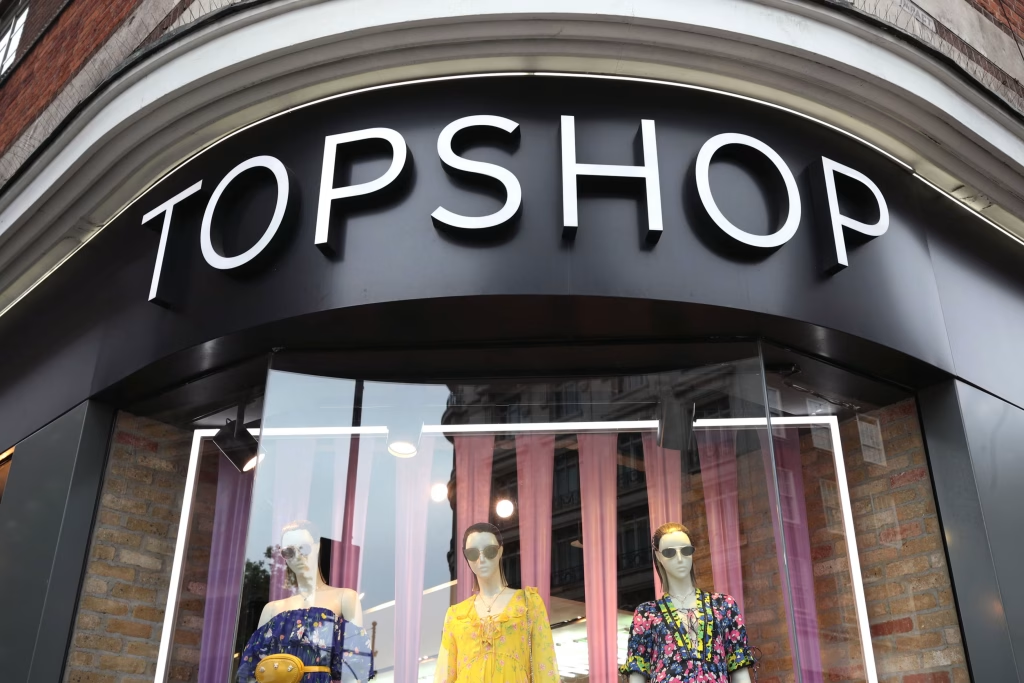
Womenswear, a priority category, achieved GMV growth of 3 per cent YoY for the FY, accelerating to 8 per cent for H2 2026. ASOS said this was driven by a combination of strong growth across its partner brands portfolio, and several of its own brands, including Topshop.

Additionally, its core UK market delivered positive GMV growth in H2, as did Germany. The US achieved growth in Q4. GMV growth rates improved half-on-half across every geography.

José Antonio Ramos Calamonte, chief executive officer of ASOS, said: The company has continued to make progress across all three strategic pillars.

“Through consistent delivery over recent years, we have strengthened our balance sheet, materially improved profitability and reached an inflection point in our Q4 active customer base, driven by new customer acquisition. These actions have laid the foundations for a return to GMV growth in Q4.”


The fashion platform rolled out over 100 enhancements through its app revamp in the period. It said this drove a more engaging shopping experience and stronger customer outcomes. Revenue per customer growth, for those exposed to the updated features, was c.10ppt ahead of the wider iOS customer base over the same period.

It also worked to introduce AI-led personalisation, with recommendations within search driving materially higher conversion rates relative to traditional customer journeys. Improved digital product content made shopping faster, easier and more consistent across markets.

Net debt fell to approximately £110m, from £184.7m a year earlier. ASOS generated around £116m from selling its non-core Lichfield and Atlanta fulfilment centres, partly offset by slightly negative free cash flow.

ASOS added that it had reduced supply chain cost-to-serve by +130bps YoY through a variety of initiatives including UK and European carrier contract renewal, further warehouse automation in Berlin and moving its US fulfilment to Barnsley.

Ramos Calamonte, added: “Looking ahead, our focus remains on scaling the initiatives that are generating results today and building on this momentum as we continue towards our ambition of sustainable, profitable growth.”

Click here to sign up to Retail Gazette‘s free daily email newsletter

EcommerceFashionNews

Leave a Reply

Your email address will not be published. Required fields are marked *

Fill out this field
Fill out this field
Please enter a valid email address.

EcommerceFashionNews

Share:

ASOS credits womenswear and UK sales for return to growth

Asos

Digital fashion firm ASOS has returned to quarterly GMV (gross merchandise value) growth, as its turnaround continues to gather momentum.

Ahead of the publication of its FY26 results in November, ASOS estimated that earnings would come above its midpoint guidance of £150m–£180m and gross margin above 50 per cent.

Womenswear, a priority category, achieved GMV growth of 3 per cent YoY for the FY, accelerating to 8 per cent for H2 2026. ASOS said this was driven by a combination of strong growth across its partner brands portfolio, and several of its own brands, including Topshop.

Additionally, its core UK market delivered positive GMV growth in H2, as did Germany. The US achieved growth in Q4. GMV growth rates improved half-on-half across every geography.

José Antonio Ramos Calamonte, chief executive officer of ASOS, said: The company has continued to make progress across all three strategic pillars.

“Through consistent delivery over recent years, we have strengthened our balance sheet, materially improved profitability and reached an inflection point in our Q4 active customer base, driven by new customer acquisition. These actions have laid the foundations for a return to GMV growth in Q4.”


The fashion platform rolled out over 100 enhancements through its app revamp in the period. It said this drove a more engaging shopping experience and stronger customer outcomes. Revenue per customer growth, for those exposed to the updated features, was c.10ppt ahead of the wider iOS customer base over the same period.

It also worked to introduce AI-led personalisation, with recommendations within search driving materially higher conversion rates relative to traditional customer journeys. Improved digital product content made shopping faster, easier and more consistent across markets.

Net debt fell to approximately £110m, from £184.7m a year earlier. ASOS generated around £116m from selling its non-core Lichfield and Atlanta fulfilment centres, partly offset by slightly negative free cash flow.

ASOS added that it had reduced supply chain cost-to-serve by +130bps YoY through a variety of initiatives including UK and European carrier contract renewal, further warehouse automation in Berlin and moving its US fulfilment to Barnsley.

Ramos Calamonte, added: “Looking ahead, our focus remains on scaling the initiatives that are generating results today and building on this momentum as we continue towards our ambition of sustainable, profitable growth.”

Click here to sign up to Retail Gazette‘s free daily email newsletter

Social


SUBSCRIBE TO OUR DAILY NEWSLETTER

  • This field is for validation purposes and should be left unchanged.
EcommerceFashionNews

Leave a Reply

Your email address will not be published. Required fields are marked *

Fill out this field
Fill out this field
Please enter a valid email address.

RELATED STORIES

Latest Feature


Menu


Please enter the verification code sent to your email: