

Profit warnings among UK-listed companies have climbed to their highest level since late 2024, putting further pressure on businesses ahead of the autumn Budget.
New figures from EY-Parthenon showed 65 profit warnings were issued in the three months to September, up from 59 in the previous quarter and the highest total since the final three months of 2024, when 71 warnings were recorded.
The research found that 54 per cent of warnings cited policy changes and geopolitical uncertainty, while 38 per cent specifically referenced the impact of the conflict in the Middle East.
Rising costs were another major concern, featuring in 35 per cent of warnings, as businesses struggled with higher operating expenses and unpredictable trading conditions.
Across the UK stock market, 17 per cent of listed companies have issued at least one profit warning over the past 12 months.
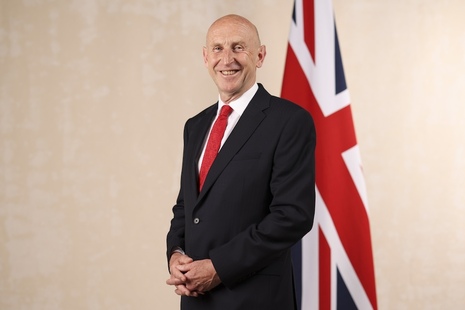
The findings come just nine days before Chancellor John Healey’s first Budget on October 28, with retailers pushing for relief from business taxes after two years of sharp increases in employment and property costs.
Retailers face squeezed margins and cautious shoppers
Retailers are particularly exposed to the combination of rising costs and weak consumer spending.
Figures released by the British Retail Consortium last week showed UK retail sales grew just 1.3 per cent in September, down from 2.3 per cent a year earlier.
Non-food sales rose only 0.3 per cent, while in-store non-food spending edged up 0.1 per cent, highlighting the difficulty facing fashion, homewares and other discretionary retailers heading into the crucial Christmas trading period.
The industry is also contending with a substantial tax burden.
Recent research from the BRC and UKHospitality found that retailers pay the equivalent of 72p in business taxes for every £1 of pre-tax profit, compared with an average of 50p across the 11 major sectors examined.
The BRC estimates that changes to employer National Insurance contributions and increases in the National Living Wage have added £6.5 billion to retailers’ employment costs over two years.
Industry leaders, including senior executives from Tesco, Marks & Spencer and Sainsbury’s, met the Chancellor last week to call for measures to ease the pressure.
Among their demands is an increase in the employer National Insurance threshold from £5,000 to £6,000, alongside changes to business rates.
BRC chief executive Helen Dickinson warned that additional costs would ultimately affect investment, employment and prices for shoppers.
Budget uncertainty adds to pressure
EY-Parthenon partner and UK and Ireland financial restructuring leader Jo Robinson said businesses were dealing with an increasingly unpredictable operating environment.
She explained that disruption to supply chains, energy costs and government policy had become a more persistent challenge for companies than in previous economic cycles.
“Businesses have shown considerable resilience, but the pace of policy change is making forecasting, investment and capital allocation much harder,” Robinson said.
The latest figures also follow a deterioration in consumer confidence.
BRC-Opinium research showed expectations for the UK economy fell to -34 in September, down from -28 in August, while consumers’ expectations for their personal finances also worsened.
Dickinson said the Chancellor faced a critical test in the Budget, warning that another increase in business rates would add pressure to prices and put high street jobs at risk.
Click here to sign up to Retail Gazette‘s free daily email newsletter