
Superdry slams Asos and Primark for “jumping on sustainability bandwagon”

Superdry
FashionSupply ChainSustainability
// Superdry slams Asos and Primark’s recent sustainability announcements
// The retailer’s CEO Julian Dunkerton said the companies were “jumping on a bandwagon”
// Superdry said its goal is to become the most sustainable global fashion brand by 2030

Superdry has criticised rivals Asos and Primark’s recent sustainability announcements, saying they are “very late to the party”.

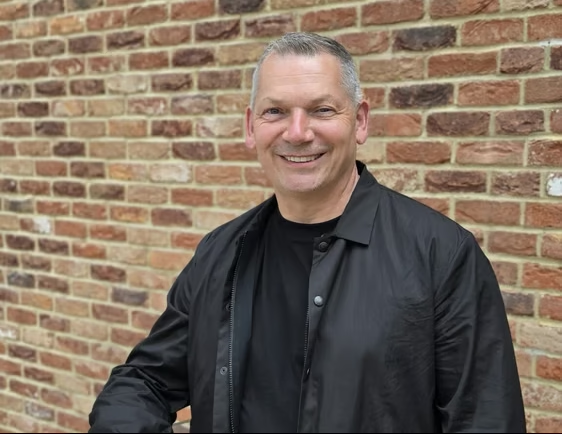
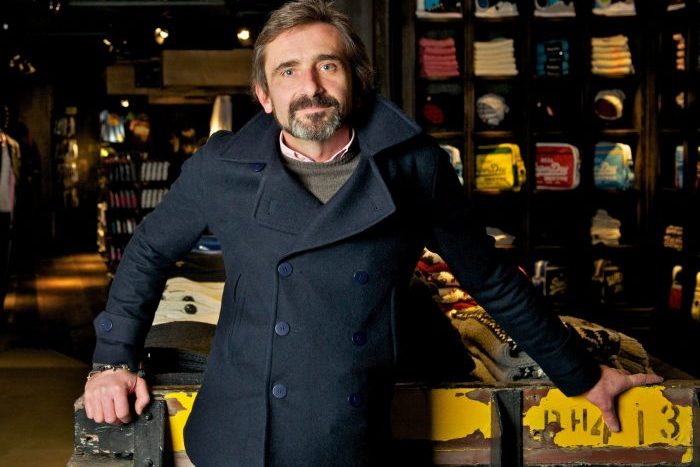
The retailer’s founder and chief executive Julian Dunkerton said the companies were “jumping on a bandwagon because they know they have to”.

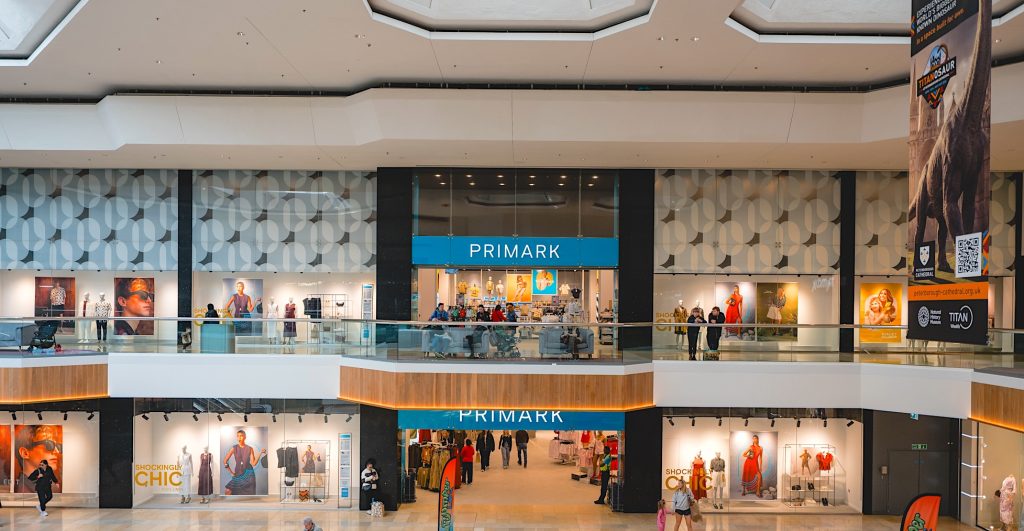
On Wednesday, Primark unveiled ‘Primark Cares’, a set of goals including making its clothes from recycled or sustainably sourced materials, while Asos intends to make its operations carbon-neutral by 2025.


READ MORE: Superdry ‘turns a corner’ as losses narrow


“These guys just talk about what they’re going to do whereas we’re doing it,” Dunkerton said.

Superdry said its goal is to become the most sustainable global fashion brand by 2030.

Dunkerton said that any comparison between its sustainability efforts and the plans announced by its rivals is “disingenuous'”.

“It’s very easy to put words in a document, but let’s see who delivers,” he said.

Click here to sign up to Retail Gazette’s free daily email newsletter

FashionSupply ChainSustainability

Leave a Reply

Your email address will not be published. Required fields are marked *

Fill out this field
Fill out this field
Please enter a valid email address.

Superdry slams Asos and Primark for “jumping on sustainability bandwagon”

Superdry
// Superdry slams Asos and Primark’s recent sustainability announcements
// The retailer’s CEO Julian Dunkerton said the companies were “jumping on a bandwagon”
// Superdry said its goal is to become the most sustainable global fashion brand by 2030

Superdry has criticised rivals Asos and Primark’s recent sustainability announcements, saying they are “very late to the party”.

The retailer’s founder and chief executive Julian Dunkerton said the companies were “jumping on a bandwagon because they know they have to”.

On Wednesday, Primark unveiled ‘Primark Cares’, a set of goals including making its clothes from recycled or sustainably sourced materials, while Asos intends to make its operations carbon-neutral by 2025.


READ MORE: Superdry ‘turns a corner’ as losses narrow


“These guys just talk about what they’re going to do whereas we’re doing it,” Dunkerton said.

Superdry said its goal is to become the most sustainable global fashion brand by 2030.

Dunkerton said that any comparison between its sustainability efforts and the plans announced by its rivals is “disingenuous'”.

“It’s very easy to put words in a document, but let’s see who delivers,” he said.

Click here to sign up to Retail Gazette’s free daily email newsletter

Social


SUBSCRIBE TO OUR DAILY NEWSLETTER

  • This field is for validation purposes and should be left unchanged.
FashionSupply ChainSustainability

Leave a Reply

Your email address will not be published. Required fields are marked *

Fill out this field
Fill out this field
Please enter a valid email address.

RELATED STORIES

Latest Feature

Interview: How Palmer’s 20-year logistics partnership is fuelling its European expansion

Palmer’s may be one of the most familiar names on the bathroom shelf, but behind the cocoa butter bottles is a surprisingly small UK operation. ET Browne UK, which distributes the American family-owned skincare brand, has grown its sales while keeping its core team to fewer than 20 people. Now, as a new Tahitian Vanilla range brings younger shoppers to the brand and the company looks to expand further into Europe, the pressure is falling on the supply chain to keep up.

Palmer’s may be one of the most familiar names on the bathroom shelf, but behind the cocoa butter bottles is a surprisingly small UK operation.

ET Browne UK, which distributes the American family-owned skincare brand, has grown its sales while keeping its core team to fewer than 20 people.

Now, as a new Tahitian Vanilla range brings younger shoppers to the brand and the company looks to expand further into Europe, the pressure is falling on the supply chain to keep up.

Read More


Menu

Get Inside Matalan

A supply chain case study delivered to your inbox in three emails. The 3 elements Matalan changed to impact its bottom line..

Matalan Supply Chain Programme Form

  • This field is for validation purposes and should be left unchanged.


Please enter the verification code sent to your email: