
Retailers warn Burnham warehouse tax could push up food prices

GroceryNewsSupply Chain

Retailers have warned Prime Minister Andy Burnham that plans to increase taxes on large warehouses could push up food prices and add further pressure to household budgets.

Burnham has previously backed higher business rates on warehouses and large out-of-town developments to help fund lower rates for pubs and selected high street businesses.

However, supermarkets and retail groups have cautioned that such a move would not just hit online giants such as Amazon, as many of the UK’s biggest store-based retailers rely heavily on large distribution centres.

Analysis from Savills, cited by The Telegraph, found that high street retailers occupied 97m sq ft of warehouse space in 2024, compared with 69m sq ft used by online retailers.

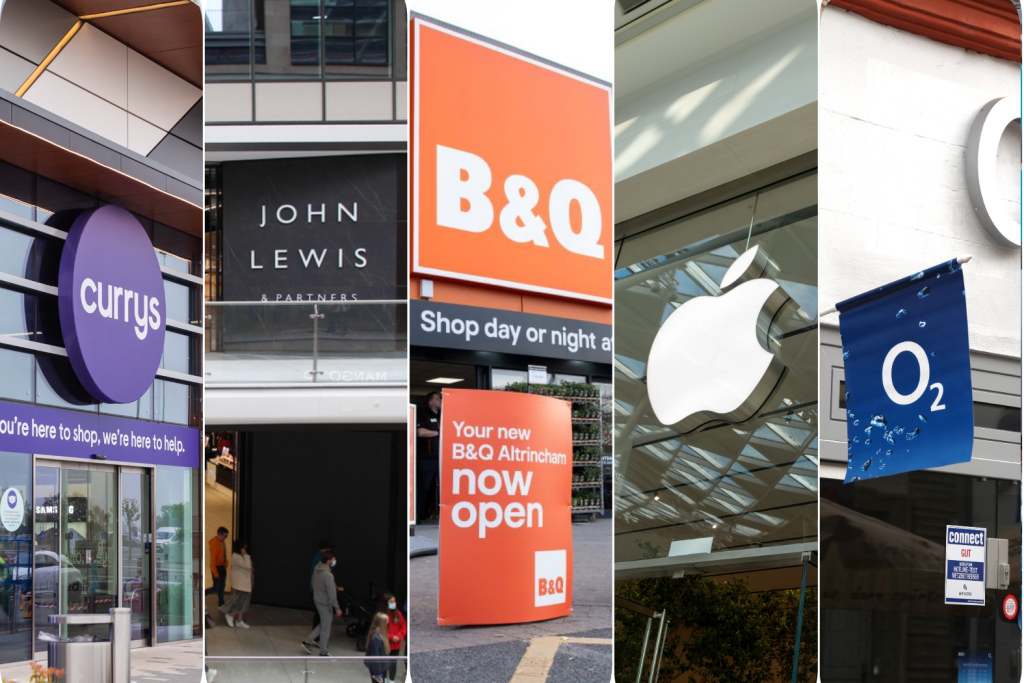
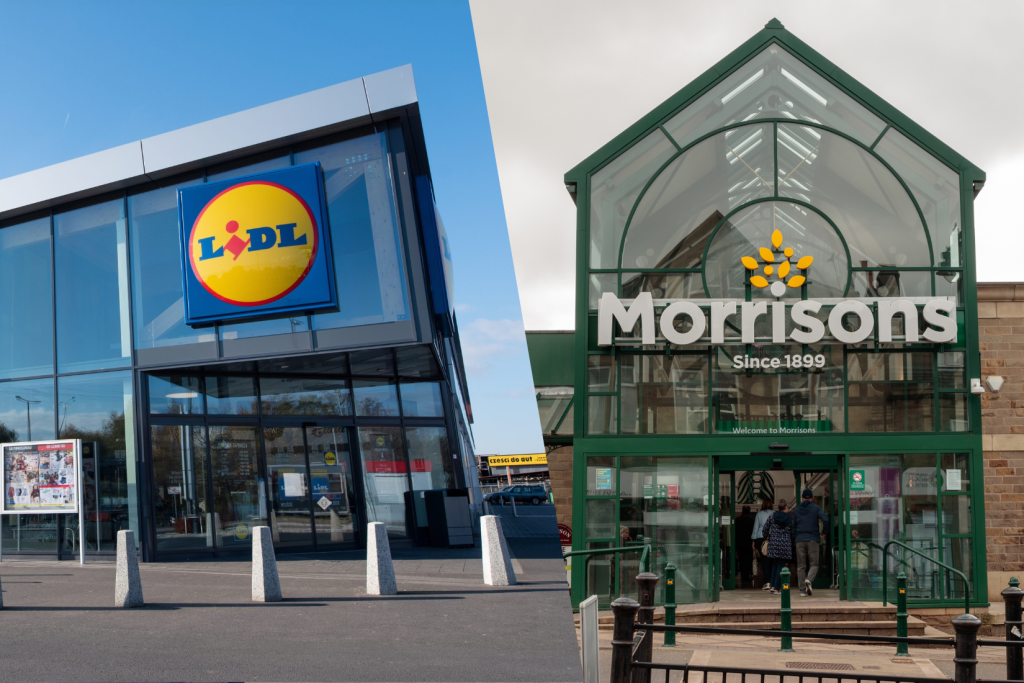
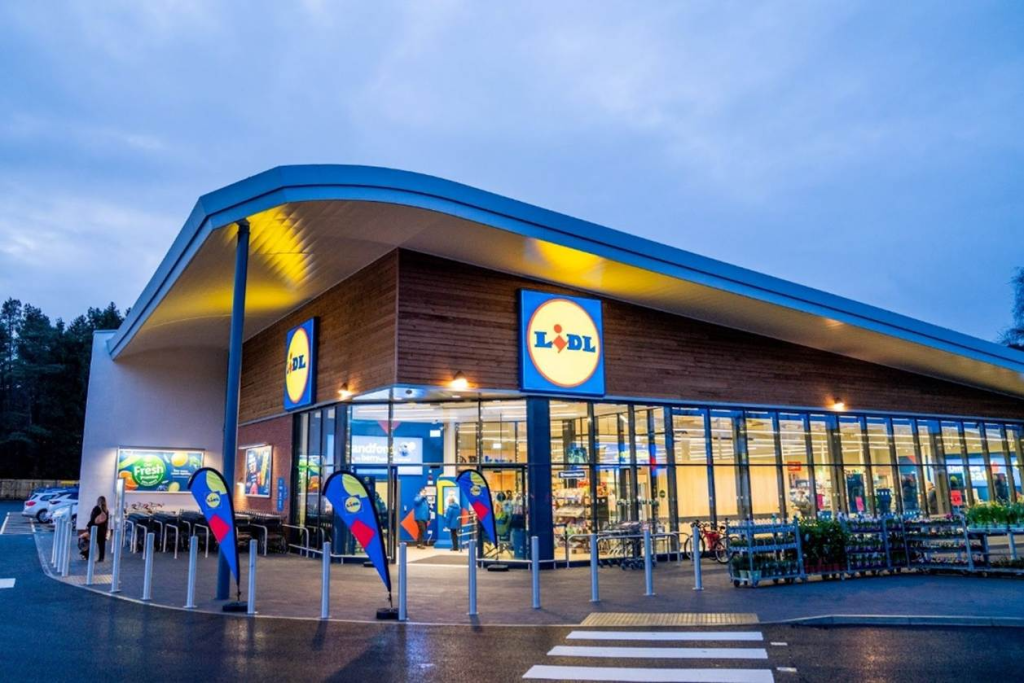
Separate analysis from business rates consultancy Ryan found that the 10 warehouses facing the largest business rates bills are operated by Lidl, Tesco, John Lewis, Sainsbury’s and Marks & Spencer.

Food and Drink Wholesale UK chief executive James Bielby warned any additional costs would ultimately be passed through the supply chain.

He said: “If they put it on, it’s going to be passed on.”

A senior executive at one of the UK’s largest supermarkets also warned that imposing a warehouse levy without reducing the rates burden on shops could put further pressure on prices and jobs.

The British Retail Consortium said the proposed measure risked increasing costs for the distribution centres that retailers use to keep stores stocked.

BRC chief executive Helen Dickinson said: “A warehouse tax would add fuel to the fire, hitting the distribution hubs that keep our shops stocked, driving up prices and adding pressure to family budgets.”

The trade body said the retail sector accounts for around five per cent of the UK economy but pays approximately 20 per cent of the country’s total business rates bill.

It has urged Chancellor John Healey to freeze business rates, reduce net zero levies and cut employer National Insurance ahead of the Budget on 28 October.

Burnham’s administration announced in July that pubs, social clubs and live music venues in England would receive a 20 per cent cut to their business rates bills from April 2027, which the government said would save the typical pub around £1,100 a year.

Burnham has also previously argued there is a case for charging higher rates on warehouses and large developments on the outskirts of cities to support businesses that he says bring greater “social benefit” to high streets.

The existing business rates system already includes a higher multiplier for properties with a rateable value of £500,000 or more, a category that captures many large distribution warehouses.

However, any further changes remain unconfirmed ahead of the Budget.

A Treasury spokesperson said: “As has always been the case, decisions on tax are a matter for the Chancellor to set out at fiscal events, rather than routinely commenting on rumour, speculation or proposals.”

Click here to sign up to Retail Gazette‘s free daily email newsletter

GroceryNewsSupply Chain

1 Comment. Leave new

  • keith 3 weeks ago

    If a warehouse send items to customers it should pay retail taxes, if it is a distribution centre to stores then it should pay warehouse taxes.. Easy to split

    Reply

Leave a Reply

Your email address will not be published. Required fields are marked *

Fill out this field
Fill out this field
Please enter a valid email address.

GroceryNewsSupply Chain

Share:

Retailers warn Burnham warehouse tax could push up food prices

Retailers have warned Prime Minister Andy Burnham that plans to increase taxes on large warehouses could push up food prices and add further pressure to household budgets.

Burnham has previously backed higher business rates on warehouses and large out-of-town developments to help fund lower rates for pubs and selected high street businesses.

However, supermarkets and retail groups have cautioned that such a move would not just hit online giants such as Amazon, as many of the UK’s biggest store-based retailers rely heavily on large distribution centres.

Analysis from Savills, cited by The Telegraph, found that high street retailers occupied 97m sq ft of warehouse space in 2024, compared with 69m sq ft used by online retailers.

Separate analysis from business rates consultancy Ryan found that the 10 warehouses facing the largest business rates bills are operated by Lidl, Tesco, John Lewis, Sainsbury’s and Marks & Spencer.

Food and Drink Wholesale UK chief executive James Bielby warned any additional costs would ultimately be passed through the supply chain.

He said: “If they put it on, it’s going to be passed on.”

A senior executive at one of the UK’s largest supermarkets also warned that imposing a warehouse levy without reducing the rates burden on shops could put further pressure on prices and jobs.

The British Retail Consortium said the proposed measure risked increasing costs for the distribution centres that retailers use to keep stores stocked.

BRC chief executive Helen Dickinson said: “A warehouse tax would add fuel to the fire, hitting the distribution hubs that keep our shops stocked, driving up prices and adding pressure to family budgets.”

The trade body said the retail sector accounts for around five per cent of the UK economy but pays approximately 20 per cent of the country’s total business rates bill.

It has urged Chancellor John Healey to freeze business rates, reduce net zero levies and cut employer National Insurance ahead of the Budget on 28 October.

Burnham’s administration announced in July that pubs, social clubs and live music venues in England would receive a 20 per cent cut to their business rates bills from April 2027, which the government said would save the typical pub around £1,100 a year.

Burnham has also previously argued there is a case for charging higher rates on warehouses and large developments on the outskirts of cities to support businesses that he says bring greater “social benefit” to high streets.

The existing business rates system already includes a higher multiplier for properties with a rateable value of £500,000 or more, a category that captures many large distribution warehouses.

However, any further changes remain unconfirmed ahead of the Budget.

A Treasury spokesperson said: “As has always been the case, decisions on tax are a matter for the Chancellor to set out at fiscal events, rather than routinely commenting on rumour, speculation or proposals.”

Click here to sign up to Retail Gazette‘s free daily email newsletter

Social


SUBSCRIBE TO OUR DAILY NEWSLETTER

  • This field is for validation purposes and should be left unchanged.
GroceryNewsSupply Chain

1 Comment. Leave new

  • keith 3 weeks ago

    If a warehouse send items to customers it should pay retail taxes, if it is a distribution centre to stores then it should pay warehouse taxes.. Easy to split

    Reply

Leave a Reply

Your email address will not be published. Required fields are marked *

Fill out this field
Fill out this field
Please enter a valid email address.

RELATED STORIES

Latest Feature


Menu

Get Inside Matalan

A supply chain case study delivered to your inbox in three emails. The 3 elements Matalan changed to impact its bottom line..

Matalan Supply Chain Programme Form

  • This field is for validation purposes and should be left unchanged.


Please enter the verification code sent to your email: