

The British Retail Consortium has warned that the impact of the US-Iran war in the Middle East is beginning to feed through into UK prices after the latest inflation figures showed headline CPI rising to 3.3% in March.
Food inflation also increased to 3.7%, up from 3.3% in February, according to the latest ONS data.
BRC economist Harvir Dhillon said rising fuel prices were behind the first signs of pressure last month, while grocery costs also continued to build.
He said: “The first signs of inflationary pressure stemming from the conflict in the Middle East began to emerge last month, driven largely by rising fuel prices.”
Related Story
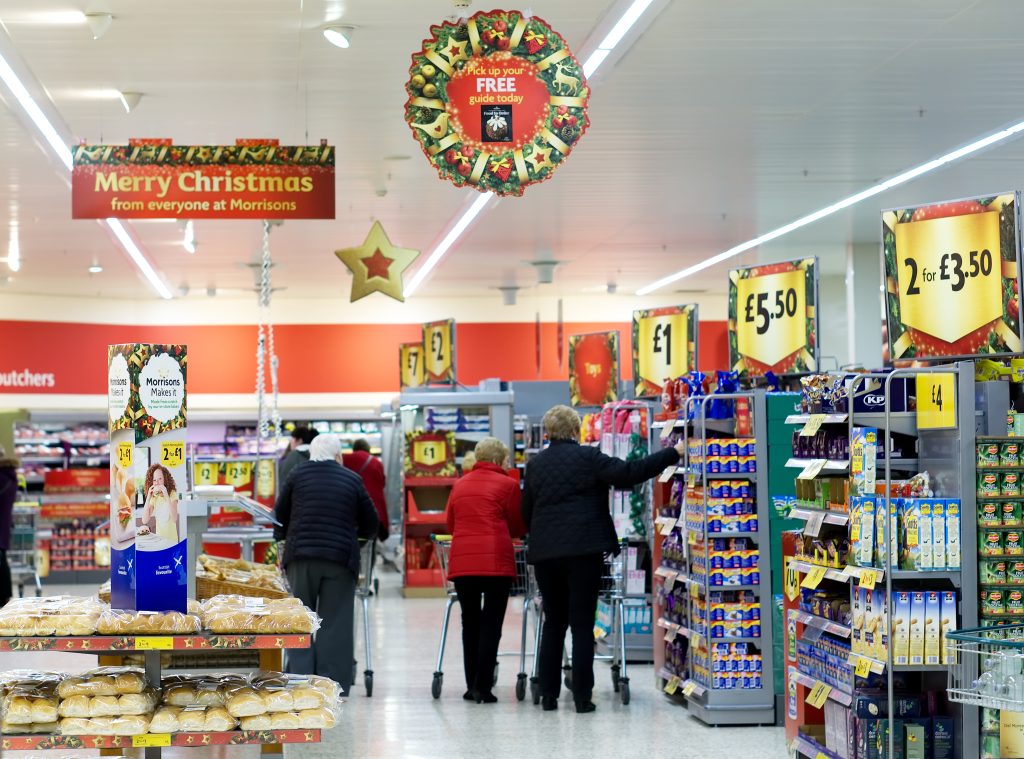
Dhillon added: “Across retail, the picture was mixed. Intense competition pushed clothing and footwear back into deflation, but in the grocery sector, mounting cost pressures saw food inflation creep up.”
The BRC warned that if food prices follow a similar path to that seen after the Ukraine-Russia conflict, sharper increases could emerge later in 2026.
Dhillon said: “Although the energy price cap and removal of green levies may provide some near-term relief, inflation will rise over the coming quarters as the full impact of the Middle East conflict filters through.”
He added that supermarkets and their supply chains were likely to be hit hardest because of their energy intensity, with lower income households most exposed to rising grocery bills.
The trade body called on government to provide targeted support, including action on non-commodity energy charges faced by retailers.
Click here to sign up to Retail Gazette‘s free daily email newsletter