

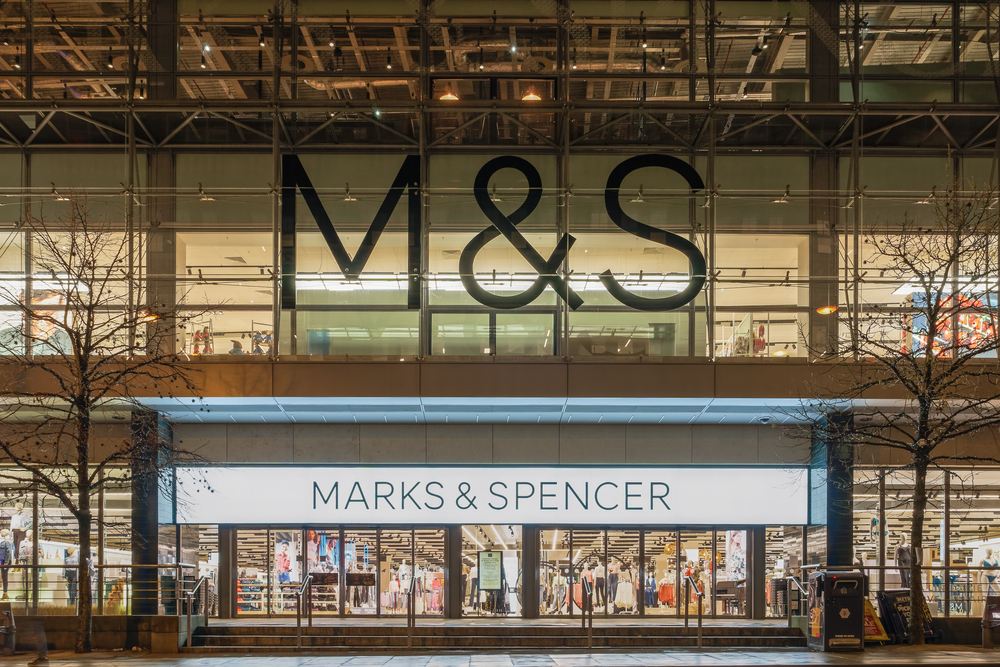
Marks & Spencer is expanding its lower-emission heavy goods vehicle fleet, with new biomethane-powered trucks set to join its logistics network throughout 2026.
The retailer said the move will support both its food and fashion, home and beauty operations, in a bid to reduce transport emissions as part of its wider net zero plans.
M&S currently operates more than 210 bio-CNG trucks, but expects this figure to rise to more than 300 vehicles by the end of March 2027.
The high street retailer said the trucks can deliver up to 85% lower CO2 emissions than traditional diesel models.
Related Story

To support the rollout, M&S has signed a long-term agreement with CNG Fuels to provide mobile refuelling stations at distribution centres.
These sites will have the capacity to refuel more than 300 trucks each day.
M&S transport director Julian Bailey said: ““Moving to lower-carbon logistics with reduced dependency on diesel and the increased use of new technologies and lower carbon fuels is key to achieving our Plan A Net Zero ambitions.
“We trialled a range of technologies and have chosen Bio-CNG as a key solution for decarbonising our logistics fleet as it is a proven, flexible and cost-efficient fuel supported by mature infrastructure.”
Alongside the biomethane fleet, M&S also operates 13 battery electric HGVs and five battery electric rigid vehicles across its supply chain.
The new investment follows M&S last year bolstering its supply chain logistics fleet with 85 lower-emission vehicles.
Click here to sign up to Retail Gazette‘s free daily email newsletter