

As IZIPIZI expands across stores, wholesale and online, co-founder Charles Brun explains why supplier relationships, bio-based materials and operational discipline are central to keeping the eyewear brand both accessible and responsible
For many fashion businesses, sustainability comes with a premium price tag. Better materials, more responsible sourcing and lower-impact logistics are often positioned as reasons to charge more.
Yet IZIPIZI has taken a different path.
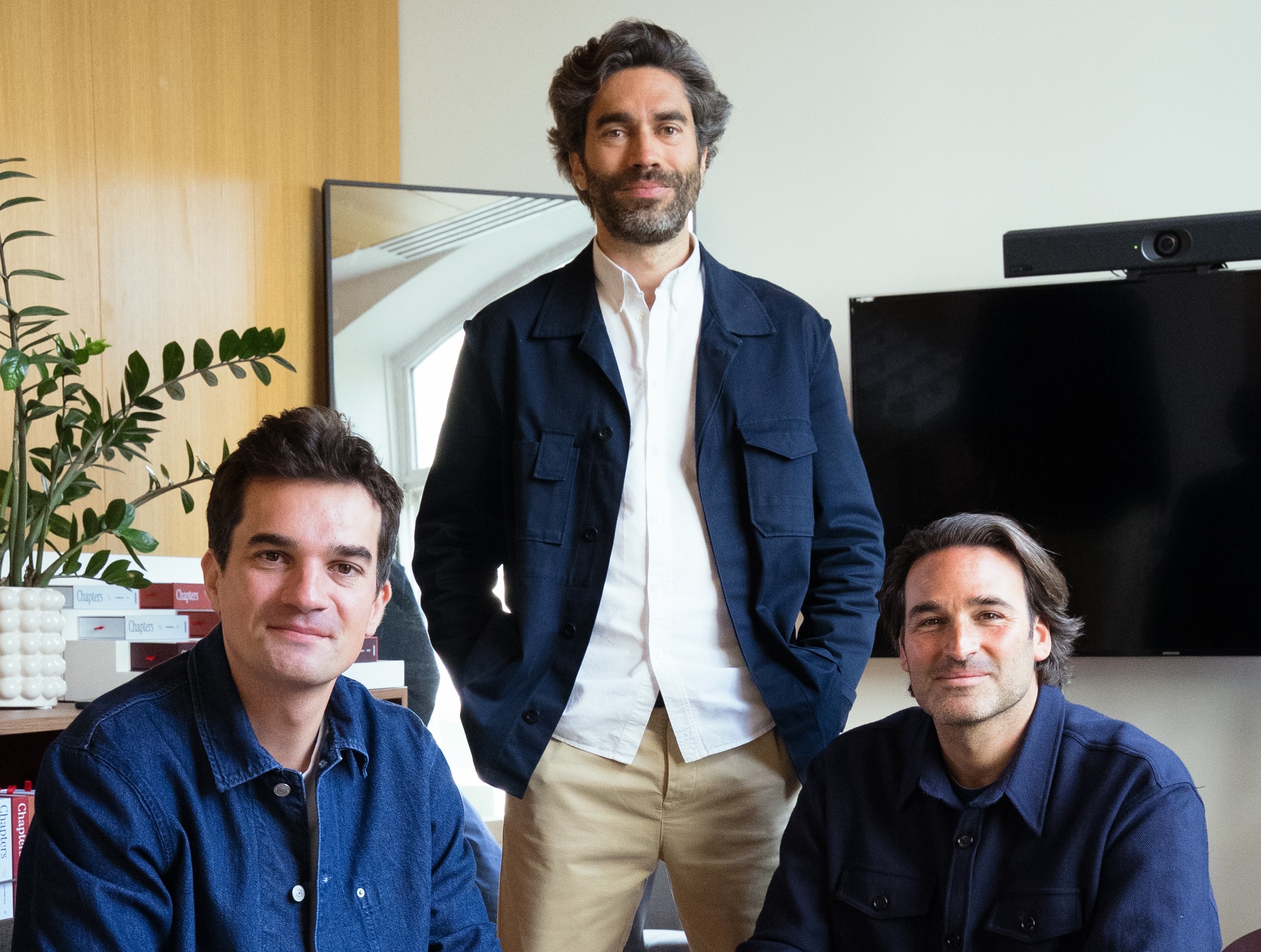
The Paris-born eyewear brand, founded more than 15 years ago by three childhood friends, has built its name on colourful, design-led glasses at an accessible price point. Its readers now sell from around £35, while sunglasses start at around £45, placing the business well below many of the premium eyewear labels it sits alongside in some of the world’s most desirable retail locations.
For co-founder Charles Brun, that affordability is part of the brand’s DNA.
“This is really part of our values from the beginning,” he says. “IZIPIZI is great quality, great stores, but at an affordable price. We make less margin than we might, but we try to compensate with big volumes.”
Brun says the business sells millions of pairs of glasses around the world, is present in 80 countries, and is stocked in more than 8,000 stores. Alongside its wholesale presence, the brand has also built its own retail estate, with 25 monobrand stores and further openings planned across Europe, the US and Asia.
That scale brings opportunity, but it also brings operational pressure.
The challenge for the brand is not simply how to sell more glasses, but how to grow while keeping control of quality, sourcing, price and environmental impact. “We are a business, so we have to grow,” Brun says. “But we have to grow in a good way.”
 That philosophy has shaped the way the company thinks about its supply chain. While IZIPIZI was born in Paris and still handles its design, branding, retail identity and product development internally, its glasses are manufactured in Asia, across countries including Taiwan, China, Vietnam and Thailand.
Brun says the strength of that model lies in long-term partnerships rather than constant switching between suppliers. Some of the company’s supplier relationships go back 13 years. One Taiwanese partner, he explains, is a family business that IZIPIZI has worked with almost since the beginning.
“We really grew together,” he says. “We made progress together.”
That word, progress, comes up repeatedly. For Brun, quality is not one thing, but a chain of decisions. It’s the material used in the frame, the way the product is manufactured, the way it is shipped, the checks carried out at the factory, and the further checks when it arrives in France or the US.
It’s also trust.
“When you work with suppliers for so many years, they know what you expect,” he says. “We accept to pay more, but we know what we will get.”
IZIPIZI’s products have to sit in a difficult middle ground. They need to feel playful and accessible, but they also need to perform. Glasses aren’t a throwaway fashion item, even when they’re priced like an impulse purchase. They sit on the face, touch the skin, need to be light and comfortable, and must withstand heat, moisture and everyday wear.
This’s made the brand’s move into bio-based materials more complex than a simple substitution.
Most IZIPIZI glasses are made through injection moulding, a production process that suits the brand’s scale and price point. Historically, Brun explains, the plastic used in that process would have been entirely petroleum-based. Over the past few years, the business has shifted to a bio-based material that uses castor oil for around half of the composition.
That change may sound straightforward, but Brun says the real difficulty was maintaining the same quality standards.
“Our products are very light,” he says. “They have to fit your face. You must not have allergies with your skin. They must be long-lasting. They need to work with temperature, moisture and humidity.”
The brand also uses recycled materials in some products, although Brun says eyewear creates particular constraints. Recycled plastic can be easier to deploy in less demanding product categories, but glasses need consistency in shape, colour, finish, comfort and durability.
This is where IZIPIZI’s sustainability story becomes more interesting than a straightforward materials claim. Brun is clear that the business wants to reduce its impact, but not at the expense of function or customer trust.
The starting point was measurement.
For years, Brun says, IZIPIZI didn’t talk much publicly about the work it was doing behind the scenes. The company was wary of greenwashing, particularly in fashion, where sustainability claims are often treated with scepticism. But as customers and wholesale partners began asking more questions about where products were made and how they were sourced, the brand decided it needed to explain itself more clearly. The first step was to calculate its carbon footprint.
“We had to really evaluate how much carbon emission we were producing per pair of glasses,” says Brun.
The result, he says, was around two kilogrammes of carbon per pair. He compares this with around 20 kilogrammes for a pair of jeans and 10 to 15 kilogrammes for a pair of shoes.
That figure then became the baseline for change. Since then, Brun says IZIPIZI has reduced its carbon footprint per pair by 50 per cent over three years.
One of the biggest changes was shipping.
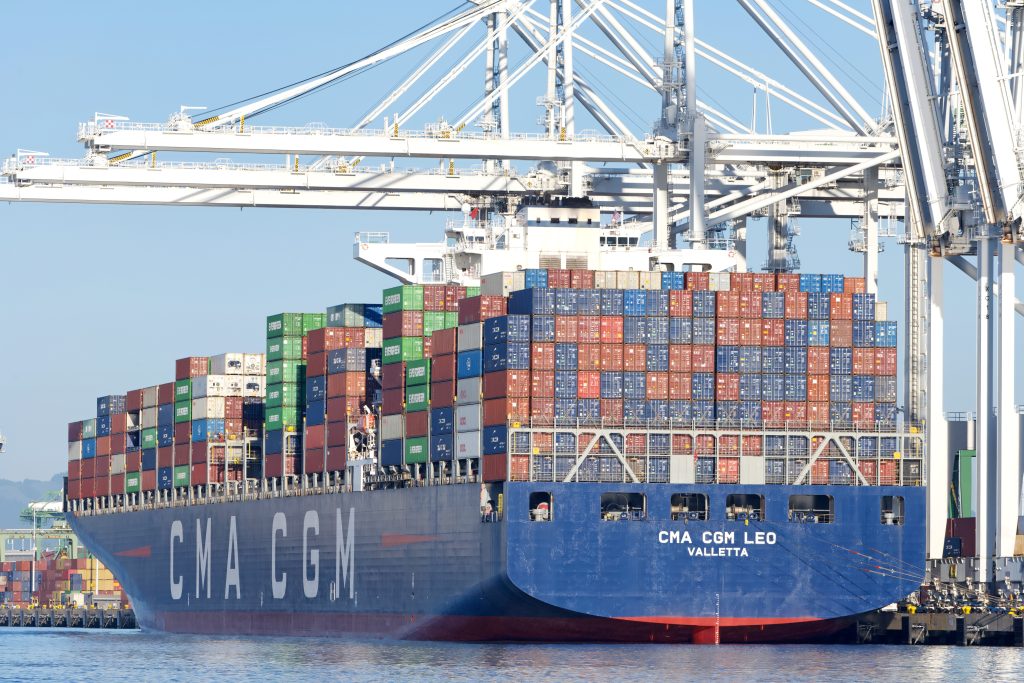
In the earlier years of the business, Brun says, IZIPIZI relied heavily on air freight because demand was growing quickly and the company was often out of stock. Over the past four years, it has shifted much more of its logistics to sea freight, a move designed to cut emissions significantly.
“Before, everything was air shipment because we were always out of stock,” he says. “Since four years now, we completely changed from air shipments to boat shipments. We did this to reduce drastically our carbon emissions.”
Yet this is not presented as a neat or perfect transition. Brun acknowledges that the global supply chain has become increasingly difficult to manage, with geopolitical disruption, shipping challenges and shifting costs all adding complexity.
That is why resilience has become as important as reduction.
“At first, we had only one place of production,” he says. “Even though they were amazing, in French we say you can’t have all your eggs in the same basket.”
The business has since diversified its production base, giving it more flexibility when disruption hits. It has also changed the rhythm of production. Where it once worked around one or two major production runs a year, it now has new production arriving much more regularly.
This gives the business more agility, although Brun says it still has to make difficult decisions. The company now favours boat shipments, but if geopolitical issues or major delays threaten availability, it may still use some air freight to avoid serious stock shortages.
That balance is helped by the structure of the product range. Around 80 per cent of IZIPIZI’s business comes from its permanent collection, Brun says. These are the core shapes and colours that the business keeps in stock consistently. Alongside that, the brand launches smaller seasonal collections and limited capsules, which create newness and excitement but carry less operational risk.
If a limited collection sells out, Brun says, it can be frustrating and may mean lost sales. But it’s not as damaging as running out of core product.
This kind of operational detail is easy to overlook in a brand best known for colourful glasses and cheerful stores. Brun argues that it should not be.
“When you are making products, the most important thing is whether your products are good, how they are made and how they are supplied,” he says. “Often operations is not considered enough.”
For IZIPIZI, operations are now closely tied to its broader responsibilities as a certified B Corp. Brun says the certification appealed because it looked beyond the product itself and considered the whole company, including its team, suppliers, customers and governance.
But he is also honest about the tension it creates for a growing business. “As B Corp becomes so tough, we asked ourselves whether at some point it becomes anti-growth or anti-business,” he says. “We are proud to be B Corp, but we are here also to build the brand in the long term. We are here to grow our brand and grow our business.”
The answer, for now, is to keep measuring and improving. That means reducing carbon emissions where possible, continuing to improve materials, maintaining strong supplier relationships, and ensuring that the demands of growth do not pull the company away from its founding values.
It’s not a finished project. Brun says staying certified is increasingly difficult, and the work now touches almost every department, from operations and finance to HR and marketing.
Yet IZIPIZI’s sustainability strategy is not a separate initiative sitting alongside the business. It’s becoming part of how the business operates.
The brand still wants to expand. Brun talks about more stores in Europe, a growing opportunity in the US, and further moves into Asia, including Japan. It wants to build awareness in new markets and become one of the first names people think of when they talk about eyewear.
But the more it grows, the more its supply chain will matter.
For Brun, the goal isn’t to present IZIPIZI as perfect, but to show that scale, affordability and responsibility can sit together, provided a business is prepared to do the operational work behind the scenes.
“We need to be profitable to grow, to open stores, to build our brand and to hire,” he says. “But every year, we have to continue making progress.”
Click here to sign up to Retail Gazette‘s free daily email newsletter