Returns reform: how retailers are rewriting the rules without losing customers

returns
EcommerceFeature ArticlesInsight

UK retailers could risk losing £34.1 billion in sales due to “strict” returns policies, according to new research released this month. While the statistic highlights the connection between a transparent returns policy and conversion rates, it fails to capture the complexity of ecommerce returns.

As ecommerce sales volume grew, so did return rates. Retailers were suddenly faced with soaring reverse logistics costs and unsustainable shopping habits.

Free returns may have initially been used as a marketing tool to encourage online shopping, but the financial burden quickly became unsustainable in many ways for businesses.

In fact, reverse logistics typically costs two to thee times more per parcel than standard outbound shipping.

The environmental impact is staggering. A landmark study by the British Fashion Council found around 23 million garments are incinerated or sent to landfill each year just from UK fashion returns.

This environmental cost was a driving force for H&M to change its returns policy: “At H&M, we aim to reduce return rates by helping customers make informed choices from the start, for example through detailed product information and size recommendation tools. This is important not only for improving the shopping experience, but also from a sustainability perspective, as fewer returns help reduce transport-related emissions”, a spokesperson for H&M tells Retail Gazette.

“Like many in the industry, we introduced a fee for online returns and have seen that this helps lower return rates. At the same time, we continue to offer free returns in-store, providing customers with a convenient, no-cost option. Faulty or damaged items can always be returned free of charge.”


H&M have the physical store network to offer free returns, and quickly get those items back on sale. However for dedicated etailers, the returns conundrum is even harder. It is estimated that online purchases have an average return rate of 30 per cent to 40 per cent, compared to just eight per cent in physical stores.

With many retailers offering 30-day return policies, this means by the time a seasonal item is posted back, processed, cleaned, and repackaged, it has often lost its full retail value.

Retailers are then frequently forced to heavily markdown these items, or sell them at a loss just to clear warehouse space.

Also, retailers are having to contend with negative shopper behaviour. The rise of social media and flexible payment options (like Buy Now, Pay Later) fostered a culture of over-ordering.

Many shoppers buy the same clothing item in multiple sizes or colours with the explicit intention of sending most back. In the UK alone, these “serial returners” account for an estimated £6.6 billion in returned goods annually.

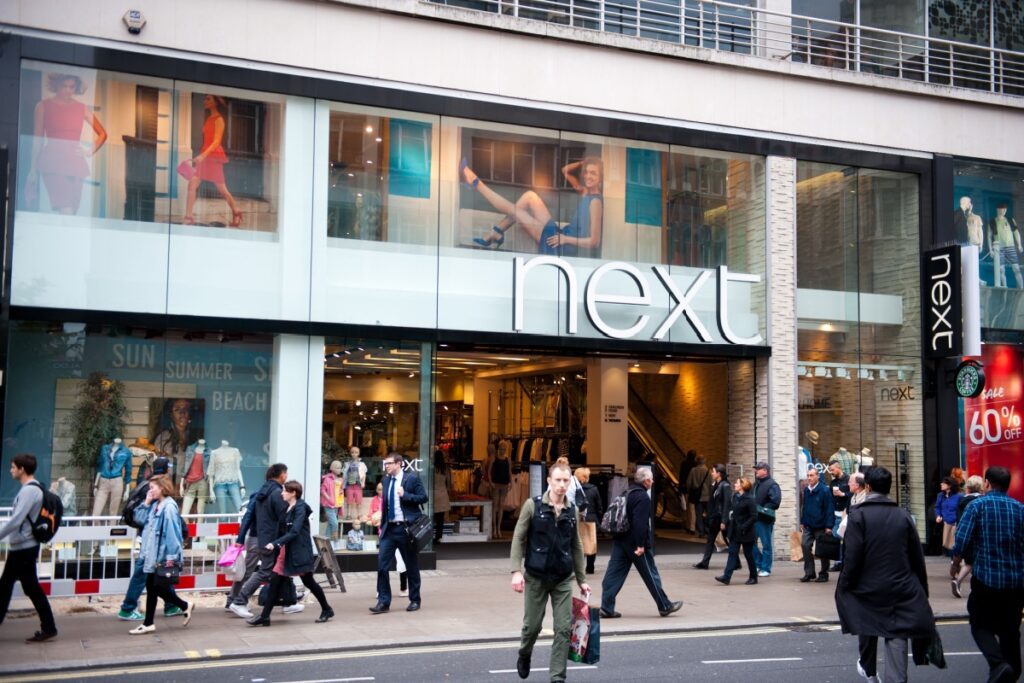
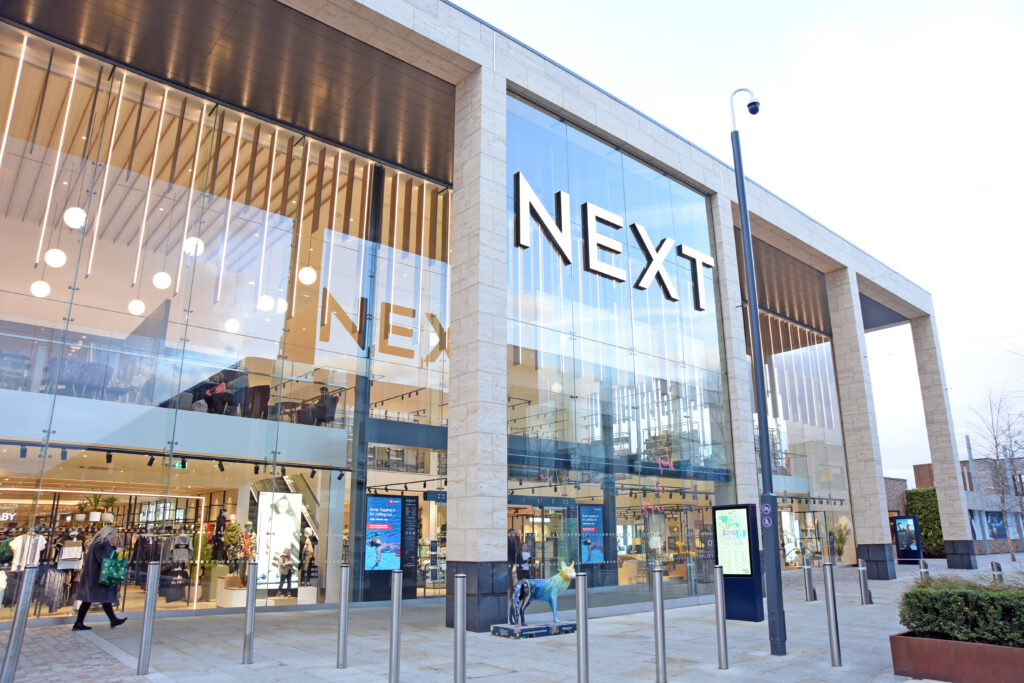
While many retailers have taken a blanket approach to returns fees (Next charges £2.50 for Evri parcel returns, while Zara deducts £1.95), some pure play fashion ecommerce brands are taking a percentage approach.

Ben Blake, EVP of customer and commercial at ASOS, explains: “We know customers love free returns, and the vast majority continue to get them on all orders.

“It’s important to us to offer free returns to all customers. That’s why even the very small group with consistently high return rates can still get free returns when they keep £40 or more of an order, and move back to free returns on all orders once their return rate falls below 70 per cent.

“We’re continuing to invest in fit, sizing and tools to help customers get it right first time, and offer free exchanges so customers can swap sizes without it counting towards their return rate.

“Free returns are an important part of the ASOS experience, and our focus is on keeping them available for all customers in a way that’s transparent and sustainable.”

Additionally, for ASOS premier delivery members the threshold is slightly lower. Premier members with a high return rate (over 70 per cent) will still get free returns as long as they keep at least £15 of their order.

Growing fashion retailer Oh Polly has introduced a similar scheme. If a customer returned up to 50 per cent of their order, they will be charged £2.99 to send it back. If they wanted to return more than 90 per cent, they will be charged £8.99.

Ultimately, the challenge for retailers is not whether to make returns free or paid, but how to make them fair, transparent and financially sustainable. Strict policies may deter some shoppers, but unchecked returns can erode margins, slow stock recovery and undermine sustainability commitments.

The retailers that succeed will be those that use data to distinguish between genuine customer need and costly repeat behaviour. While investing in better sizing tools, clearer product information and faster resale routes will also help limit return pain points.

Returns are no longer a post-purchase afterthought; they’ve become a defining part of the customer experience and a crucial test of retail profitability.

Click here to sign up to Retail Gazette‘s free daily email newsletter

EcommerceFeature ArticlesInsight

Leave a Reply

Your email address will not be published. Required fields are marked *

Fill out this field
Fill out this field
Please enter a valid email address.

Returns reform: how retailers are rewriting the rules without losing customers

returns

UK retailers could risk losing £34.1 billion in sales due to “strict” returns policies, according to new research released this month. While the statistic highlights the connection between a transparent returns policy and conversion rates, it fails to capture the complexity of ecommerce returns.

As ecommerce sales volume grew, so did return rates. Retailers were suddenly faced with soaring reverse logistics costs and unsustainable shopping habits.

Free returns may have initially been used as a marketing tool to encourage online shopping, but the financial burden quickly became unsustainable in many ways for businesses.

In fact, reverse logistics typically costs two to thee times more per parcel than standard outbound shipping.

The environmental impact is staggering. A landmark study by the British Fashion Council found around 23 million garments are incinerated or sent to landfill each year just from UK fashion returns.

This environmental cost was a driving force for H&M to change its returns policy: “At H&M, we aim to reduce return rates by helping customers make informed choices from the start, for example through detailed product information and size recommendation tools. This is important not only for improving the shopping experience, but also from a sustainability perspective, as fewer returns help reduce transport-related emissions”, a spokesperson for H&M tells Retail Gazette.

“Like many in the industry, we introduced a fee for online returns and have seen that this helps lower return rates. At the same time, we continue to offer free returns in-store, providing customers with a convenient, no-cost option. Faulty or damaged items can always be returned free of charge.”


H&M have the physical store network to offer free returns, and quickly get those items back on sale. However for dedicated etailers, the returns conundrum is even harder. It is estimated that online purchases have an average return rate of 30 per cent to 40 per cent, compared to just eight per cent in physical stores.

With many retailers offering 30-day return policies, this means by the time a seasonal item is posted back, processed, cleaned, and repackaged, it has often lost its full retail value.

Retailers are then frequently forced to heavily markdown these items, or sell them at a loss just to clear warehouse space.

Also, retailers are having to contend with negative shopper behaviour. The rise of social media and flexible payment options (like Buy Now, Pay Later) fostered a culture of over-ordering.

Many shoppers buy the same clothing item in multiple sizes or colours with the explicit intention of sending most back. In the UK alone, these “serial returners” account for an estimated £6.6 billion in returned goods annually.

While many retailers have taken a blanket approach to returns fees (Next charges £2.50 for Evri parcel returns, while Zara deducts £1.95), some pure play fashion ecommerce brands are taking a percentage approach.

Ben Blake, EVP of customer and commercial at ASOS, explains: “We know customers love free returns, and the vast majority continue to get them on all orders.

“It’s important to us to offer free returns to all customers. That’s why even the very small group with consistently high return rates can still get free returns when they keep £40 or more of an order, and move back to free returns on all orders once their return rate falls below 70 per cent.

“We’re continuing to invest in fit, sizing and tools to help customers get it right first time, and offer free exchanges so customers can swap sizes without it counting towards their return rate.

“Free returns are an important part of the ASOS experience, and our focus is on keeping them available for all customers in a way that’s transparent and sustainable.”

Additionally, for ASOS premier delivery members the threshold is slightly lower. Premier members with a high return rate (over 70 per cent) will still get free returns as long as they keep at least £15 of their order.

Growing fashion retailer Oh Polly has introduced a similar scheme. If a customer returned up to 50 per cent of their order, they will be charged £2.99 to send it back. If they wanted to return more than 90 per cent, they will be charged £8.99.

Ultimately, the challenge for retailers is not whether to make returns free or paid, but how to make them fair, transparent and financially sustainable. Strict policies may deter some shoppers, but unchecked returns can erode margins, slow stock recovery and undermine sustainability commitments.

The retailers that succeed will be those that use data to distinguish between genuine customer need and costly repeat behaviour. While investing in better sizing tools, clearer product information and faster resale routes will also help limit return pain points.

Returns are no longer a post-purchase afterthought; they’ve become a defining part of the customer experience and a crucial test of retail profitability.

Click here to sign up to Retail Gazette‘s free daily email newsletter

Social


SUBSCRIBE TO OUR DAILY NEWSLETTER

  • This field is for validation purposes and should be left unchanged.
EcommerceFeature ArticlesInsight

Leave a Reply

Your email address will not be published. Required fields are marked *

Fill out this field
Fill out this field
Please enter a valid email address.

RELATED STORIES

Latest Feature


Menu


Close popup

Please enter the verification code sent to your email: