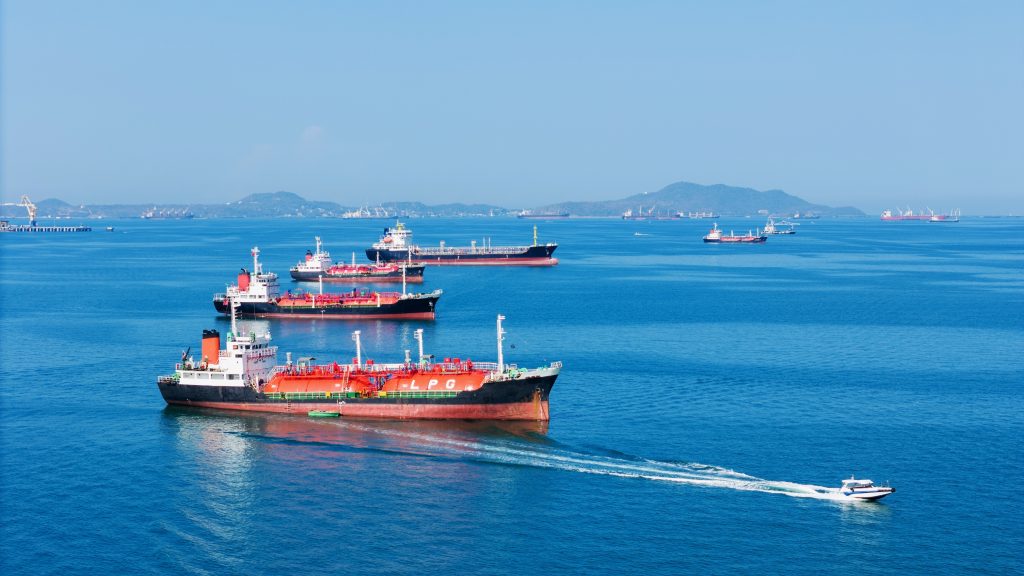


New analysis of UK port data has revealed how freight traffic has shifted across the country as businesses continue to deal with disruption to global shipping routes.
The research, from shipping container supplier Cleveland Containers, looked at Department for Transport figures covering freight volumes and vessel arrivals over the past five years.
It found that disruption has not affected all UK ports in the same way, with some seeing more traffic while others have experienced declines.
Cleveland Containers CEO Andrew Thompson said: “Global shipping has become far less predictable over the last two years, and that is starting to show up clearly in the data. Some ports are absorbing a lot more traffic than they were twelve months ago, while others are seeing volumes fall back.”
The analysis comes as shipping routes have been disrupted by events including attacks on vessels in the Red Sea and problems around the Strait of Hormuz, forcing some carriers to take longer routes and increasing costs.
The latest figures show freight handled by major UK ports fell by 3 per cent year on year, mainly due to a 7 per cent fall in goods leaving the UK, while incoming freight remained more stable.
Related Story

London remained the UK’s busiest port by freight tonnage between 2020 and 2024, followed by Grimsby & Immingham, Tees & Hartlepool, Milford Haven and Southampton.
Dover had the highest number of vessel arrivals during the same period, largely due to its role in short sea routes connecting the UK with Ireland and mainland Europe.
Some ports recorded strong growth in 2024. Cromarty Firth saw the biggest increase in freight tonnage, followed by Swansea, Newport and Tyne. Liverpool and Southampton also saw growth in both freight volumes and vessel numbers, suggesting changes in how shipping capacity is being used across the UK.
Thompson said: “When ports of Liverpool and Southampton’s size show growth across both tonnage and vessel numbers in the same year, that is a sign of a genuine shift in how shipping capacity is being used nationally.”
The company said businesses are facing extra costs from delays, including higher storage costs, longer delivery times and pressure on cash flow.
It added that companies can reduce the impact of disruption by making supply chains more flexible, including reviewing suppliers and preparing for longer delivery times.
Thompson said: “Businesses that plan around that reality, rather than assuming a return to how things were before, will be better placed to manage whatever comes next.”
Click here to sign up to Retail Gazette‘s free daily email newsletter