


Government plans to overhaul the UK’s Nutrient Profiling Model (NPM) could impose higher costs on food and drink manufacturers than previously estimated, according to new research commissioned by the Food and Drink Federation (FDF).
The study, conducted by Oxford Economics, found that implementation costs could reach £2,812 per product, around 50 times higher than the Department of Health and Social Care’s estimate of £53 per product.
The Nutrient Profiling Model is used to determine whether food and drink products are subject to advertising and promotional restrictions.
The organisation claims that the proposed revisions would see a wider range of products classified as “less healthy”, including some high-fibre breakfast cereals, fruit yoghurts, lower-sugar cakes and reduced-salt crisps.
According to the report, manufacturers surveyed expect to lose an average of £10 million in previous investment made to develop products that complied with existing regulations, with many of those products potentially falling foul of the revised model.
Related Story
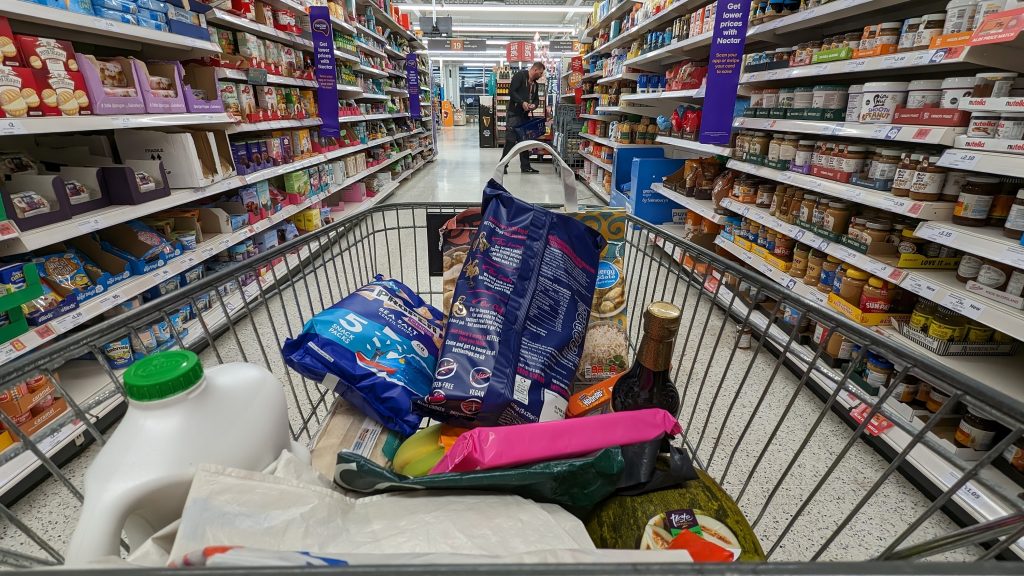
The research also suggests the number of products affected could be substantially higher than government forecasts, including a 40% increase in products unable to be advertised or promoted, compared to the government’s estimate of 22%.
“This analysis shows DHSC has significantly underestimated both the cost and impact of its proposals on food manufacturers, while relying on limited evidence to support its health claims,” said Food and Drink Federation chief scientific officer Katie Halliwell.
“By contrast, there are early indications that the current advertising and promotion regulations, the most recent of which came into force this year, are having an effect on what consumers are buying.
““At a time when food businesses are already under intense cost pressure, these proposals will add further strain on the sector and, perversely, risk removing from shop shelves many of the products that help consumers make healthier choices.
“We urge government to work with industry on a more proportionate approach that protects consumer access to healthier options while promoting healthier diets.”
Click here to sign up to Retail Gazette‘s free daily email newsletter