

Retailers could face renewed pressure on freight, fuel and energy costs as normal shipping through the Strait of Hormuz is expected to remain disrupted despite a ceasefire between the US and Iran.
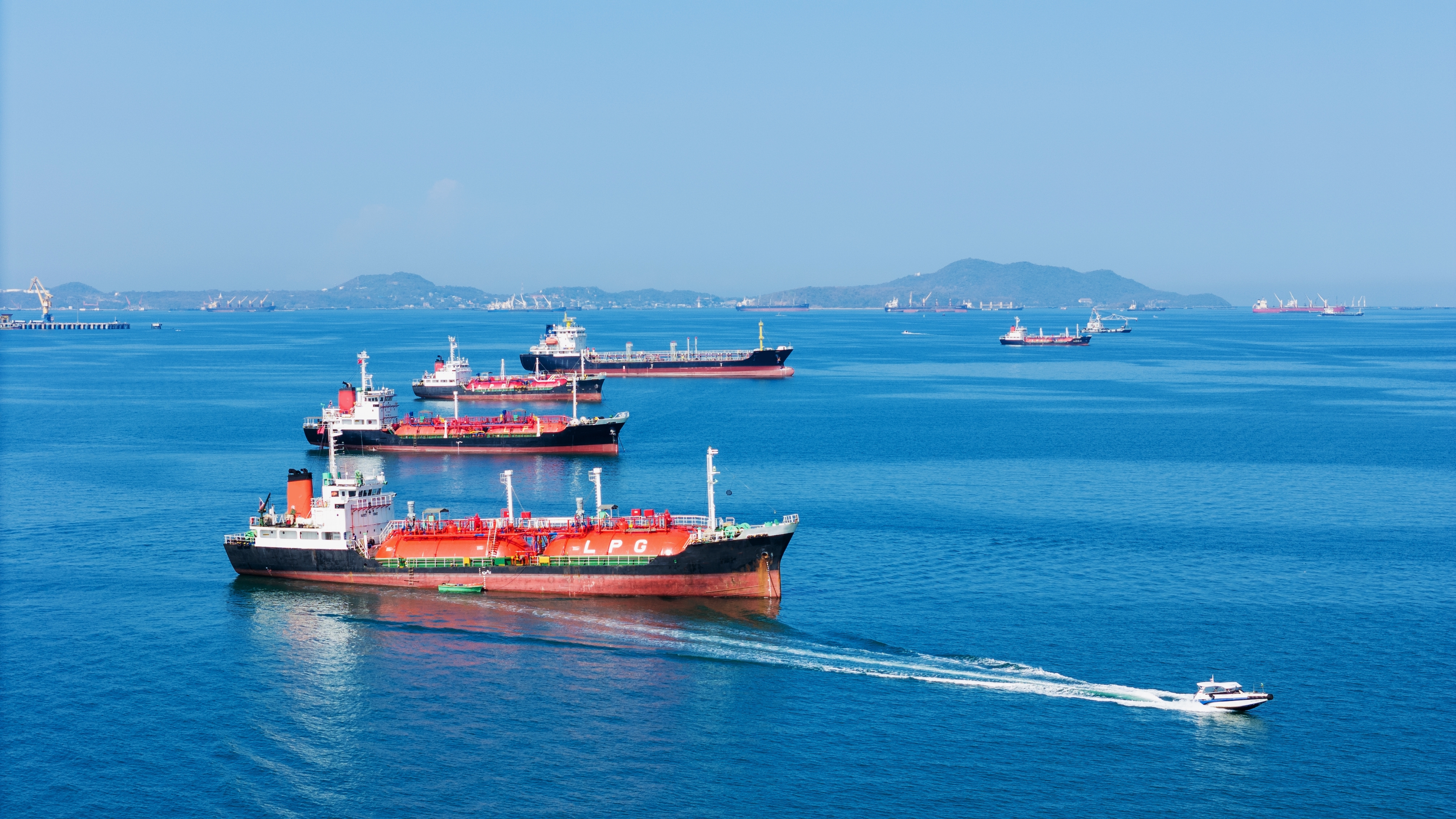
The key maritime route, which sits between Iran and Oman, remains partially blocked by around 80 mines that will need to be cleared before standard shipping can resume, according to independent tanker owner trade body Intertanko.
Several vessels began leaving the Gulf through the strait on Thursday after the signing of a memorandum of understanding between the US and Iran.
However, shipping bosses have warned that the route is unlikely to return to normal quickly, leaving global supply chains exposed to further delays and cost increases.
The Strait of Hormuz is one of the most important chokepoints in global trade, carrying around 20 per cent of global oil flows and a significant share of liquefied natural gas.
For retailers, the disruption risks feeding into higher transport costs, more expensive fuel and renewed pressure on household bills, all of which could weigh on consumer spending during the summer trading period.
Intertanko marine director Phil Belcher said the main route through the middle of the strait remained closed.
“The main route through the middle of the Strait of Hormuz, that’s closed, that’s dangerous,” he said.
“The latest figure we had was that there’s 80 mines in the Strait of Hormuz. It’s an enormous amount and it’s going to take some time to clear.”
Before the conflict, around 130 ships a day were able to cross the strait using the standard traffic separation scheme, which has been in place since 1968.
During the conflict, Iran laid mines in the centre of the route to restrict the movement of tankers and commercial vessels.
Some ships have since been forced to use a narrower passage near the Omani coast, while others reportedly passed through Iranian waters under an arrangement described by the industry as “Tehran’s tollbooth”.
Belcher said the current situation was similar to a major road being forced onto its hard shoulder.
“This is like a highway where the road in the middle is closed and you are using the hard shoulder,” he said.
“We need to get the highway open so we can get the volume of traffic through safely.”
The shipping industry has warned that the current diversion is creating serious navigational risks, including the possibility of vessels running aground or colliding in narrow waters.
Those risks have been intensified by reports of signal jamming during the conflict, which can interfere with ships’ navigation and positioning systems.
A collision, grounding or sinking in the strait could create another major shock for global trade, echoing the disruption caused when the Ever Given container ship blocked the Suez Canal in 2021.
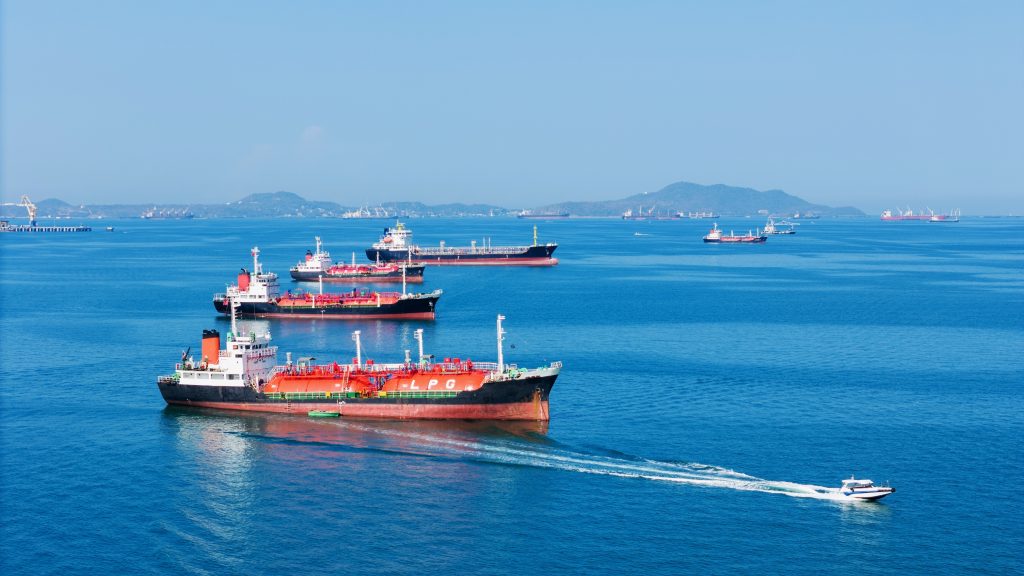
Nearly 600 vessels are understood to remain in the Gulf after being anchored there since February, meaning the backlog could take months to clear.
Lloyd’s List editor-in-chief Richard Meade said the shipping industry was operating in uncertain territory.
“We are in uncharted territory,” he said. “I don’t think shipping in the strait is getting back to normal this year.”
For UK retailers, the disruption comes after two years of repeated supply chain shocks, from Red Sea diversions to rising wage, energy and business costs.
The British Chambers of Commerce previously found that more than half of UK exporters had been hit by Red Sea disruption, while 53 per cent of manufacturers and business-to-consumer services firms, including retailers, said they had been affected.
Those impacts included higher shipping costs and longer delivery times, with some businesses reporting container costs on Asia to Europe routes rising by up to 300 per cent and delays of three to four weeks.
Retailers have spent much of the past year trying to absorb higher operating costs while keeping prices competitive for shoppers.
However, any prolonged disruption to Hormuz could make that harder, particularly for businesses exposed to imported goods, global freight rates, fuel bills or energy-intensive supply chains.
The Bank of England has also warned that geopolitical tensions in the Middle East remain a risk to inflation, with energy prices feeding into business costs and household budgets.
Under the US-Iran memorandum, Iran is required to ensure toll-free passage for commercial vessels for at least 60 days, with full restoration of traffic within 30 days.
However, Tehran has said it plans to charge vessels a maritime fee after the 60-day period to cover the cost of managing the waterway.
Shipping firms have pushed back against the plan, warning that charges for passing through international waters would be “fundamentally wrong” and could set a precedent for other vital maritime routes.
Hapag-Lloyd said tolls for infrastructure such as the Suez or Panama canals were different because they reflected major investment.
“That’s not the case in the Strait of Hormuz,” a spokesperson said.
The concern for retailers is that a prolonged standoff over Hormuz could add another layer of uncertainty to an already fragile trading environment.
Official figures showed retail sales rose more strongly than expected in May, helped by warm weather and promotions.
However, shoppers remain cautious, with consumer confidence still subdued and many households sensitive to any further rise in petrol, energy or food prices.
A lasting reopening of the strait would ease some pressure on oil markets and supply chains, but the industry’s message is clear. Until the mines are cleared and the main shipping route is fully reopened, retailers will remain exposed to another bout of global trade disruption.
Click here to sign up to Retail Gazette‘s free daily email newsletter