
Terry Smith accuses Unilever of misleading investors over food spin-off

GrocerySupply Chain

Fundsmith founder Terry Smith has accused Unilever of misleading him over its divestment plans after the consumer goods giant struck a deal to spin off its food business and combine it with McCormick.

The high-profile investor, who recently sold out of Unilever entirely, said he had been told by management that there would be no further major disposals after the group demerged its ice cream division in 2025.

However, Unilever announced in March that it would separate its food arm and merge it with US spice maker McCormick, creating a global food giant with an enterprise value of nearly $66bn (£49bn).

Smith said the move “flies in the face” of what he had been told and what he had liked about former chief executive Hein Schumacher’s approach.

He also suggested the deal bore the influence of activist investor Nelson Peltz, whose Trian investment firm is a major Unilever shareholder and whose founder sits on the consumer goods giant’s board.

“It has all the hallmarks of Nelson Peltz,” Smith wrote in his latest investor update.

“We have seen Nelson in action back to the 1980s. We are not fans of the idea that corporate activity solves fundamental problems. Nor are we fans of boards who listen to activists who are not long-term investors.”

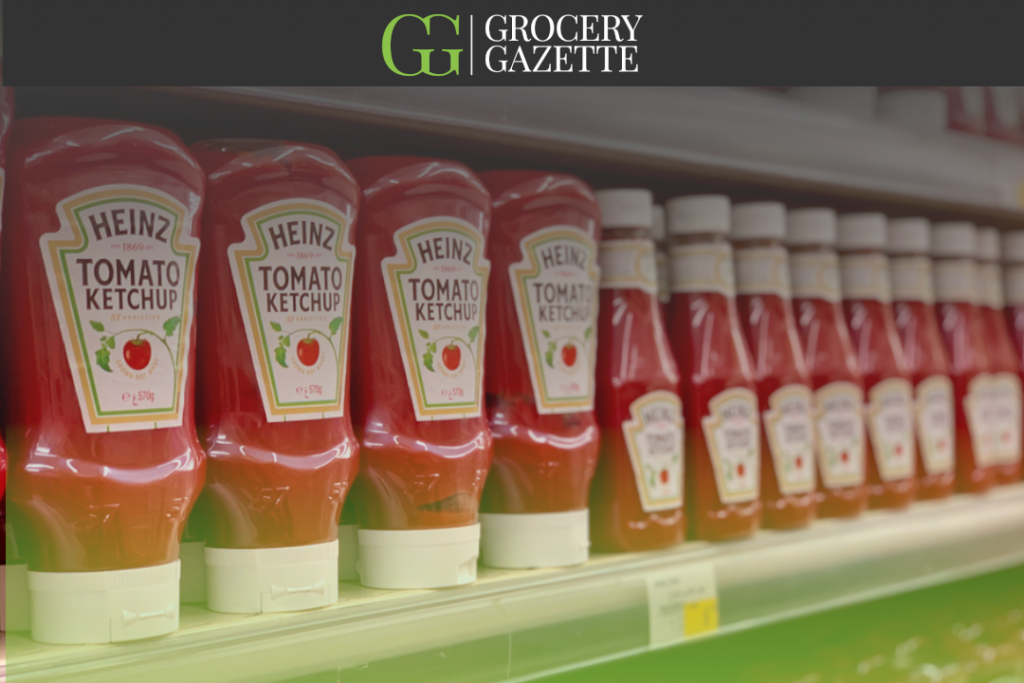
The deal will bring together Unilever brands including Hellmann’s, Knorr, Marmite and Colman’s with McCormick’s spices, seasonings and sauces portfolio, which includes Frank’s RedHot and Cholula.

However, some Unilever shareholders are understood to be concerned about the level of debt in the enlarged food business, which they will partly own, and the scale of change at the FTSE 100 company after two major separations.

Smith also questioned whether McCormick’s management team was capable of running the expanded business, saying Fundsmith knew the US firm’s leadership well and was “not convinced they are good enough for the existing business let alone a massively enlarged one”.

Unilever has defended the transaction, saying it would create “two stronger businesses” and allow its food division to separate at an attractive valuation. The company said the deal had been approved unanimously by its board.

The criticism comes as Smith’s £12.3bn Fundsmith Equity fund reported a 2.9 per cent drop in value over the first six months of the year, compared with an 11.2 per cent rise in the MSCI World Index.

Smith blamed part of the underperformance on investors shifting money from active funds into passive index trackers to gain exposure to soaring technology stocks.

He said Fundsmith was making changes to its investment process and had turned over half of the fund’s portfolio in the first six months of the year.

Investors should expect the fund to become “more active” in future, he added, although he said turnover and costs would remain below most active funds.

Smith said the fund had also sold, or begun exiting, holdings in Luxottica, LVMH, Nike and Novo Nordisk.

Click here to sign up to Retail Gazette‘s free daily email newsletter

GrocerySupply Chain

Leave a Reply

Your email address will not be published. Required fields are marked *

Fill out this field
Fill out this field
Please enter a valid email address.

Terry Smith accuses Unilever of misleading investors over food spin-off

Fundsmith founder Terry Smith has accused Unilever of misleading him over its divestment plans after the consumer goods giant struck a deal to spin off its food business and combine it with McCormick.

The high-profile investor, who recently sold out of Unilever entirely, said he had been told by management that there would be no further major disposals after the group demerged its ice cream division in 2025.

However, Unilever announced in March that it would separate its food arm and merge it with US spice maker McCormick, creating a global food giant with an enterprise value of nearly $66bn (£49bn).

Smith said the move “flies in the face” of what he had been told and what he had liked about former chief executive Hein Schumacher’s approach.

He also suggested the deal bore the influence of activist investor Nelson Peltz, whose Trian investment firm is a major Unilever shareholder and whose founder sits on the consumer goods giant’s board.

“It has all the hallmarks of Nelson Peltz,” Smith wrote in his latest investor update.

“We have seen Nelson in action back to the 1980s. We are not fans of the idea that corporate activity solves fundamental problems. Nor are we fans of boards who listen to activists who are not long-term investors.”

The deal will bring together Unilever brands including Hellmann’s, Knorr, Marmite and Colman’s with McCormick’s spices, seasonings and sauces portfolio, which includes Frank’s RedHot and Cholula.

However, some Unilever shareholders are understood to be concerned about the level of debt in the enlarged food business, which they will partly own, and the scale of change at the FTSE 100 company after two major separations.

Smith also questioned whether McCormick’s management team was capable of running the expanded business, saying Fundsmith knew the US firm’s leadership well and was “not convinced they are good enough for the existing business let alone a massively enlarged one”.

Unilever has defended the transaction, saying it would create “two stronger businesses” and allow its food division to separate at an attractive valuation. The company said the deal had been approved unanimously by its board.

The criticism comes as Smith’s £12.3bn Fundsmith Equity fund reported a 2.9 per cent drop in value over the first six months of the year, compared with an 11.2 per cent rise in the MSCI World Index.

Smith blamed part of the underperformance on investors shifting money from active funds into passive index trackers to gain exposure to soaring technology stocks.

He said Fundsmith was making changes to its investment process and had turned over half of the fund’s portfolio in the first six months of the year.

Investors should expect the fund to become “more active” in future, he added, although he said turnover and costs would remain below most active funds.

Smith said the fund had also sold, or begun exiting, holdings in Luxottica, LVMH, Nike and Novo Nordisk.

Click here to sign up to Retail Gazette‘s free daily email newsletter

Social


SUBSCRIBE TO OUR DAILY NEWSLETTER

  • This field is for validation purposes and should be left unchanged.
GrocerySupply Chain

Leave a Reply

Your email address will not be published. Required fields are marked *

Fill out this field
Fill out this field
Please enter a valid email address.

RELATED STORIES

Latest Feature


Menu

Get Inside Matalan

A supply chain case study delivered to your inbox in three emails. The 3 elements Matalan changed to impact its bottom line..

Matalan Supply Chain Programme Form

  • This field is for validation purposes and should be left unchanged.


Close popup

Please enter the verification code sent to your email: