From the stage to the gym: why sports brands are turning to music stars

music stars
FashionFeature ArticlesMarketing

Sportswear brands are battling for consumer attention, and this fight is increasingly being fought outside the gym, pitch and running track – and increasingly on the concert stage.

Gymshark’s latest partnership with Megan Thee Stallion is the latest example of sports brands using music stars to connect performance, fashion and culture. The boundaries between activewear, streetwear and entertainment is blurring.

The Liverpool-founded activewear brand has signed the rapper as its first celebrity ambassador in a multi-year partnership, launching with its ‘Megan Does Gym’ campaign. The campaign sees Megan training alongside women from Gymshark’s fitness community and sits within its wider ‘We Do Gym’ platform.

Crucially, the partnership is not simply about putting a famous face in front of a camera.

Gymshark is building shopping into the campaign, with dedicated experiences across its website and retail locations allowing customers to buy the outfits featured alongside Megan’s favourite products.

That makes the collaboration as much about conversion as awareness. It is a strategy that has become increasingly familiar across the sportswear sector, where musicians can offer brands something traditional athlete partnerships cannot: access to audiences that may be interested in sport and style, but do not necessarily identify as sports consumers.

From athletes to cultural icons

adidas has arguably been one of the biggest proponents of this approach.

Its relationship with Bad Bunny has developed well beyond a conventional celebrity endorsement into an ongoing product and cultural partnership. The collaboration has produced dedicated footwear and apparel, while Bad Bunny has increasingly been used to position adidas products at the intersection of sport, fashion, music and his Puerto Rican heritage.

This year, the relationship has moved even further into sport. Bad Bunny’s BadBo 1.0 debuted during his 2026 Super Bowl halftime performance, while dancers wore the Bad Bunny Ballerinas. The BadBo subsequently sold out within minutes, according to adidas.

The brand has since continued to develop the partnership, including the F50 Ghost Sprint – a reinterpretation of a football silhouette that is positioned as both sport-built and street-ready.

Bad Bunny does not need to be presented as a traditional sporting figure. Instead, adidas is tapping into his influence as a cultural figure and allowing that influence to flow into its products.

The approach is particularly relevant as sports brands increasingly compete for consumers’ attention across social media, entertainment and fashion rather than relying solely on traditional sports marketing.

adidas itself describes collaborations as part of a broader marketing funnel, spanning brand awareness and demand generation through to point-of-sale conversion. Its 2025 annual report also lists cultural marketing partners including Bad Bunny, Oasis, Tate McRae, Pusha T and Missy Elliott.


Why music makes marketing sense

Music stars bring with them something highly valuable to sports brands: communities. A successful artist does not simply have followers. They have a visual identity, a distinctive voice, a fan culture and an established relationship with an audience.

That gives brands an opportunity to borrow – and potentially participate in – an existing cultural conversation.

For Gymshark, Megan is a particularly logical fit because her relationship with fitness is already part of her public persona. Her social content has regularly featured weightlifting, Pilates and high-intensity workouts, meaning the partnership can feel like an extension of something consumers already associate with her.

Gymshark’s campaign therefore does not need to convince consumers that Megan is an athlete. Instead, it can focus on the more culturally relevant idea that the gym is part of her identity.

That distinction matters. The most effective celebrity partnerships are increasingly those where the celebrity does not feel bolted onto the brand’s marketing calendar, but instead gives the campaign a reason to exist.

The rise of the cultural marketer

The shift is not limited to Gymshark and adidas.

Nike has also increasingly explored the relationship between movement, music and culture. Its partnership with Spotify, for example, was designed to encourage girls to move through music, with artists, athletes and creators supporting the initiative.

Meanwhile, Nike has partnered with artists including Tyla, whose influence spans music, fashion and social culture.

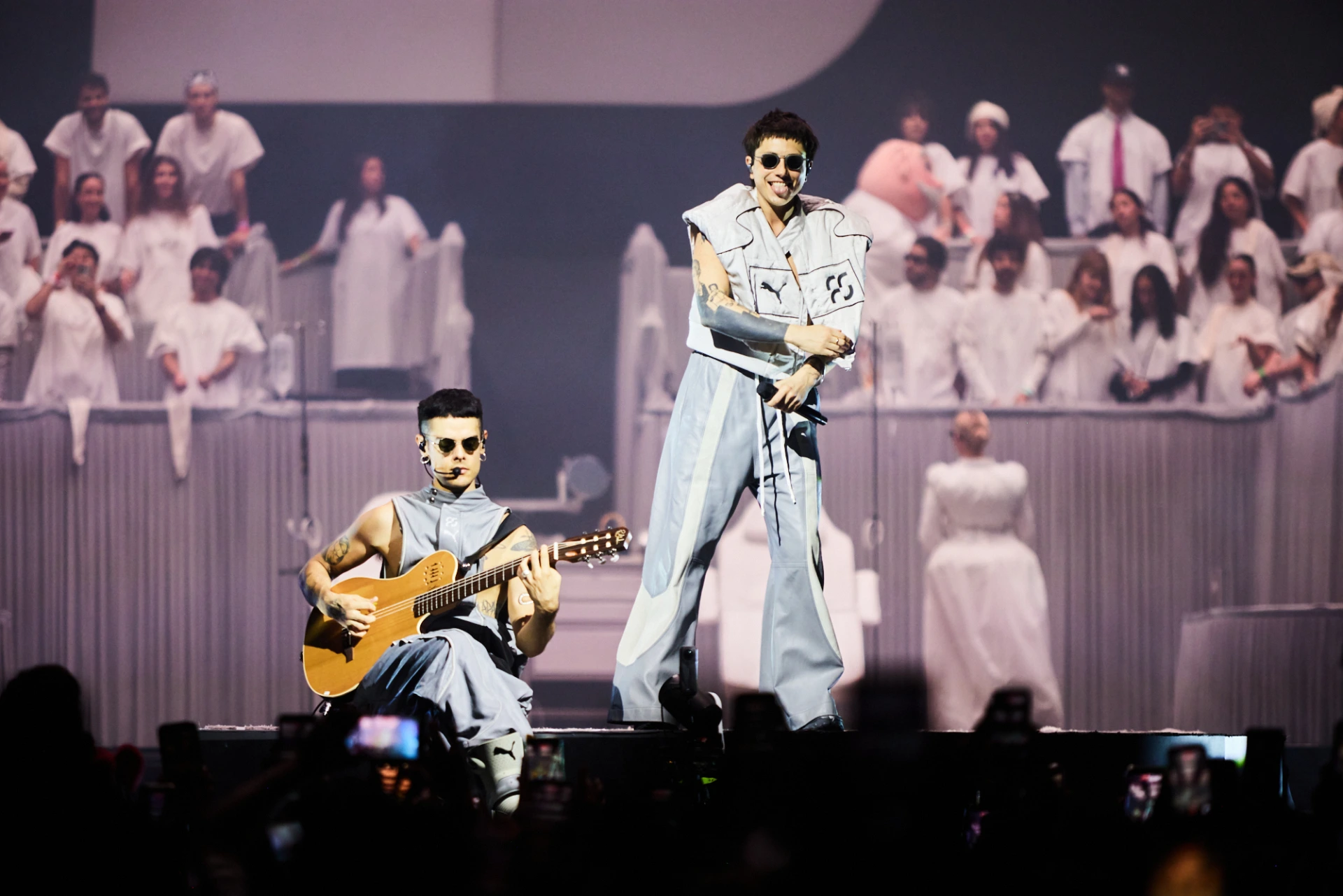
Puma has followed a similar route, announcing a partnership in September with Argentine music duo CA7RIEL & Paco Amoroso, describing the pair as artists redefining Latin pop culture through music, fashion and live performance.

The common thread is a move away from thinking about sports marketing purely through the lens of sporting performance.

For younger consumers in particular, the product they wear can be a statement about who they are and the communities they belong to. Music can provide an entry point into those communities.

But celebrity alone is not the strategy

The growing popularity of music collaborations does not mean every sports brand needs its own pop star. The danger is that brands confuse reach with relevance.

A major artist may deliver millions of impressions, but if the relationship has no meaningful connection to the product, the campaign can quickly become another piece of celebrity content competing for attention on social media.

The stronger examples connect three things: the artist’s existing identity, the brand’s proposition and something consumers can actually buy or participate in.

Gymshark’s Megan campaign links her fitness routine to products and its wider community. adidas’ Bad Bunny partnership has created products rather than simply advertising them, while also using major cultural moments to generate attention.

This is where the strategy becomes particularly powerful for sportswear brands. A collaboration can create a product story, a social story and a retail story simultaneously.

And in a market where performance credentials can be difficult to differentiate, cultural relevance becomes another way for brands to build desirability.

The next battleground: owning culture

The sportswear sector has spent decades building credibility through elite athletes and sporting events.

Now, the opportunity is to build the same level of cultural relevance through the people influencing what consumers listen to, watch and wear.

Music stars offer a shortcut into that world – but the smartest brands are not simply hiring celebrities to promote products.

They are giving artists a role in shaping the product, the campaign and the experience around it.

For Gymshark, signing Megan Thee Stallion represents its first major step into celebrity ambassadorship. For adidas, Bad Bunny demonstrates how far such a relationship can evolve when a partnership becomes an ongoing cultural platform rather than a one-off campaign.

The next generation of sportswear consumers may not be won on the field – they may be won in the culture surrounding it.

Click here to sign up to Retail Gazette‘s free daily email newsletter

FashionFeature ArticlesMarketing

Leave a Reply

Your email address will not be published. Required fields are marked *

Fill out this field
Fill out this field
Please enter a valid email address.

From the stage to the gym: why sports brands are turning to music stars

music stars

Sportswear brands are battling for consumer attention, and this fight is increasingly being fought outside the gym, pitch and running track – and increasingly on the concert stage.

Gymshark’s latest partnership with Megan Thee Stallion is the latest example of sports brands using music stars to connect performance, fashion and culture. The boundaries between activewear, streetwear and entertainment is blurring.

The Liverpool-founded activewear brand has signed the rapper as its first celebrity ambassador in a multi-year partnership, launching with its ‘Megan Does Gym’ campaign. The campaign sees Megan training alongside women from Gymshark’s fitness community and sits within its wider ‘We Do Gym’ platform.

Crucially, the partnership is not simply about putting a famous face in front of a camera.

Gymshark is building shopping into the campaign, with dedicated experiences across its website and retail locations allowing customers to buy the outfits featured alongside Megan’s favourite products.

That makes the collaboration as much about conversion as awareness. It is a strategy that has become increasingly familiar across the sportswear sector, where musicians can offer brands something traditional athlete partnerships cannot: access to audiences that may be interested in sport and style, but do not necessarily identify as sports consumers.

From athletes to cultural icons

adidas has arguably been one of the biggest proponents of this approach.

Its relationship with Bad Bunny has developed well beyond a conventional celebrity endorsement into an ongoing product and cultural partnership. The collaboration has produced dedicated footwear and apparel, while Bad Bunny has increasingly been used to position adidas products at the intersection of sport, fashion, music and his Puerto Rican heritage.

This year, the relationship has moved even further into sport. Bad Bunny’s BadBo 1.0 debuted during his 2026 Super Bowl halftime performance, while dancers wore the Bad Bunny Ballerinas. The BadBo subsequently sold out within minutes, according to adidas.

The brand has since continued to develop the partnership, including the F50 Ghost Sprint – a reinterpretation of a football silhouette that is positioned as both sport-built and street-ready.

Bad Bunny does not need to be presented as a traditional sporting figure. Instead, adidas is tapping into his influence as a cultural figure and allowing that influence to flow into its products.

The approach is particularly relevant as sports brands increasingly compete for consumers’ attention across social media, entertainment and fashion rather than relying solely on traditional sports marketing.

adidas itself describes collaborations as part of a broader marketing funnel, spanning brand awareness and demand generation through to point-of-sale conversion. Its 2025 annual report also lists cultural marketing partners including Bad Bunny, Oasis, Tate McRae, Pusha T and Missy Elliott.


Why music makes marketing sense

Music stars bring with them something highly valuable to sports brands: communities. A successful artist does not simply have followers. They have a visual identity, a distinctive voice, a fan culture and an established relationship with an audience.

That gives brands an opportunity to borrow – and potentially participate in – an existing cultural conversation.

For Gymshark, Megan is a particularly logical fit because her relationship with fitness is already part of her public persona. Her social content has regularly featured weightlifting, Pilates and high-intensity workouts, meaning the partnership can feel like an extension of something consumers already associate with her.

Gymshark’s campaign therefore does not need to convince consumers that Megan is an athlete. Instead, it can focus on the more culturally relevant idea that the gym is part of her identity.

That distinction matters. The most effective celebrity partnerships are increasingly those where the celebrity does not feel bolted onto the brand’s marketing calendar, but instead gives the campaign a reason to exist.

The rise of the cultural marketer

The shift is not limited to Gymshark and adidas.

Nike has also increasingly explored the relationship between movement, music and culture. Its partnership with Spotify, for example, was designed to encourage girls to move through music, with artists, athletes and creators supporting the initiative.

Meanwhile, Nike has partnered with artists including Tyla, whose influence spans music, fashion and social culture.

Puma has followed a similar route, announcing a partnership in September with Argentine music duo CA7RIEL & Paco Amoroso, describing the pair as artists redefining Latin pop culture through music, fashion and live performance.

The common thread is a move away from thinking about sports marketing purely through the lens of sporting performance.

For younger consumers in particular, the product they wear can be a statement about who they are and the communities they belong to. Music can provide an entry point into those communities.

But celebrity alone is not the strategy

The growing popularity of music collaborations does not mean every sports brand needs its own pop star. The danger is that brands confuse reach with relevance.

A major artist may deliver millions of impressions, but if the relationship has no meaningful connection to the product, the campaign can quickly become another piece of celebrity content competing for attention on social media.

The stronger examples connect three things: the artist’s existing identity, the brand’s proposition and something consumers can actually buy or participate in.

Gymshark’s Megan campaign links her fitness routine to products and its wider community. adidas’ Bad Bunny partnership has created products rather than simply advertising them, while also using major cultural moments to generate attention.

This is where the strategy becomes particularly powerful for sportswear brands. A collaboration can create a product story, a social story and a retail story simultaneously.

And in a market where performance credentials can be difficult to differentiate, cultural relevance becomes another way for brands to build desirability.

The next battleground: owning culture

The sportswear sector has spent decades building credibility through elite athletes and sporting events.

Now, the opportunity is to build the same level of cultural relevance through the people influencing what consumers listen to, watch and wear.

Music stars offer a shortcut into that world – but the smartest brands are not simply hiring celebrities to promote products.

They are giving artists a role in shaping the product, the campaign and the experience around it.

For Gymshark, signing Megan Thee Stallion represents its first major step into celebrity ambassadorship. For adidas, Bad Bunny demonstrates how far such a relationship can evolve when a partnership becomes an ongoing cultural platform rather than a one-off campaign.

The next generation of sportswear consumers may not be won on the field – they may be won in the culture surrounding it.

Click here to sign up to Retail Gazette‘s free daily email newsletter

Social


SUBSCRIBE TO OUR DAILY NEWSLETTER

  • This field is for validation purposes and should be left unchanged.
FashionFeature ArticlesMarketing

Leave a Reply

Your email address will not be published. Required fields are marked *

Fill out this field
Fill out this field
Please enter a valid email address.

RELATED STORIES

Latest Feature


Menu

The brand, budget, and agency decisions reshaping UK retail marketing

Join 1.5k retail marketing directors and senior leaders

Marketing Weekly NL Form

  • This field is for validation purposes and should be left unchanged.


Please enter the verification code sent to your email: