
Shein and Temu hit by new EU customs duty on cheap parcels

Temu
Discount RetailEcommerceFashionNewsSupply Chain

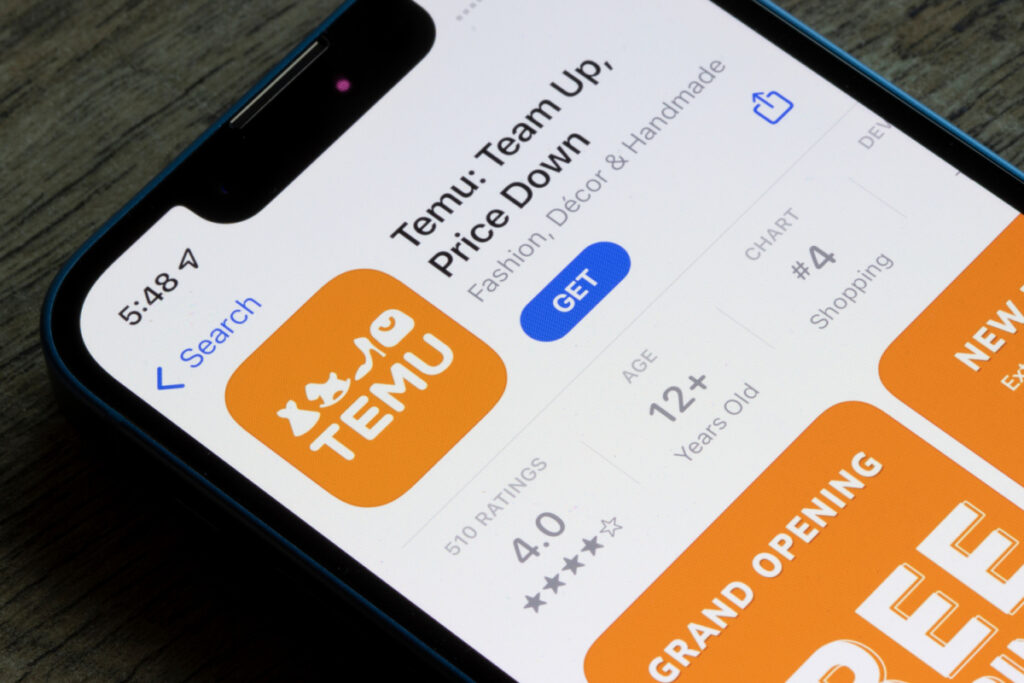
The EU has introduced a new €3 (£2.60) customs duty on low-value ecommerce parcels in a move expected to hit Chinese-founded platforms including Shein, Temu and AliExpress.

The charge, which came into force on 1 July, applies to goods worth up to €150 (£129) imported into the bloc from outside the EU.

The temporary duty replaces the previous de minimis exemption, which allowed low-value parcels to enter the EU without customs duties.

It will remain in place until 1 July 2028, when the EU is expected to move to a permanent customs regime applying normal duties based on product categories.

The European Commission said the measure was designed to create fairer competition for EU retailers, improve product safety checks and tackle the sharp rise in low-value ecommerce imports.

The number of low-value items shipped directly from third countries to EU consumers reached almost 5.9bn in 2025, according to the Commission.

It said the previous duty-free threshold had created an advantage for some ecommerce business models and was no longer justified given the scale of online imports.

The charge is not technically levied on shoppers, with sellers, importers or their representatives responsible for paying it in most cases. However, the move is expected to put pressure on prices across ultra-low-cost ecommerce platforms.

The duty applies per item by tariff classification within a consignment, rather than simply per parcel. For example, a package containing five T-shirts would attract one €3 charge, while a package containing a T-shirt and a watch would attract €6.

The move is likely to affect retailers built around shipping low-cost goods directly from China to European consumers, including Shein, Temu and Alibaba-owned AliExpress.

Reuters reported that Shein has been expanding its EU warehouse capacity, while AliExpress plans to make pricing labels clearer for shoppers. Amazon said most of its EU sales are fulfilled from within the bloc.

The Commission said targeted inspections across the EU in 2025 found more than 60 per cent of checked products in categories including cosmetics, toys, electronics, PPE and food supplements failed EU standards.

From 1 November, product identifiers will also become mandatory to improve traceability and help customs authorities detect unsafe or non-compliant goods.

The move comes as European retailers continue to lobby for tougher action on ultra-cheap online imports, arguing that overseas platforms have benefited from lighter customs treatment while domestic businesses face higher compliance, labour and property costs.

It also increases pressure on the UK government, which has said it will introduce import duties on small parcels worth less than £135 from October 2028.

Retailers in the UK have repeatedly called for faster action, warning that the current system gives overseas sellers an unfair advantage over British high street and online businesses.

Click here to sign up to Retail Gazette‘s free daily email newsletter

Discount RetailEcommerceFashionNewsSupply Chain

Leave a Reply

Your email address will not be published. Required fields are marked *

Fill out this field
Fill out this field
Please enter a valid email address.

Shein and Temu hit by new EU customs duty on cheap parcels

Temu

The EU has introduced a new €3 (£2.60) customs duty on low-value ecommerce parcels in a move expected to hit Chinese-founded platforms including Shein, Temu and AliExpress.

The charge, which came into force on 1 July, applies to goods worth up to €150 (£129) imported into the bloc from outside the EU.

The temporary duty replaces the previous de minimis exemption, which allowed low-value parcels to enter the EU without customs duties.

It will remain in place until 1 July 2028, when the EU is expected to move to a permanent customs regime applying normal duties based on product categories.

The European Commission said the measure was designed to create fairer competition for EU retailers, improve product safety checks and tackle the sharp rise in low-value ecommerce imports.

The number of low-value items shipped directly from third countries to EU consumers reached almost 5.9bn in 2025, according to the Commission.

It said the previous duty-free threshold had created an advantage for some ecommerce business models and was no longer justified given the scale of online imports.

The charge is not technically levied on shoppers, with sellers, importers or their representatives responsible for paying it in most cases. However, the move is expected to put pressure on prices across ultra-low-cost ecommerce platforms.

The duty applies per item by tariff classification within a consignment, rather than simply per parcel. For example, a package containing five T-shirts would attract one €3 charge, while a package containing a T-shirt and a watch would attract €6.

The move is likely to affect retailers built around shipping low-cost goods directly from China to European consumers, including Shein, Temu and Alibaba-owned AliExpress.

Reuters reported that Shein has been expanding its EU warehouse capacity, while AliExpress plans to make pricing labels clearer for shoppers. Amazon said most of its EU sales are fulfilled from within the bloc.

The Commission said targeted inspections across the EU in 2025 found more than 60 per cent of checked products in categories including cosmetics, toys, electronics, PPE and food supplements failed EU standards.

From 1 November, product identifiers will also become mandatory to improve traceability and help customs authorities detect unsafe or non-compliant goods.

The move comes as European retailers continue to lobby for tougher action on ultra-cheap online imports, arguing that overseas platforms have benefited from lighter customs treatment while domestic businesses face higher compliance, labour and property costs.

It also increases pressure on the UK government, which has said it will introduce import duties on small parcels worth less than £135 from October 2028.

Retailers in the UK have repeatedly called for faster action, warning that the current system gives overseas sellers an unfair advantage over British high street and online businesses.

Click here to sign up to Retail Gazette‘s free daily email newsletter

Social


SUBSCRIBE TO OUR DAILY NEWSLETTER

  • This field is for validation purposes and should be left unchanged.
Discount RetailEcommerceFashionNewsSupply Chain

Leave a Reply

Your email address will not be published. Required fields are marked *

Fill out this field
Fill out this field
Please enter a valid email address.

RELATED STORIES

Latest Feature


Menu

Get Inside Matalan

A supply chain case study delivered to your inbox in three emails. The 3 elements Matalan changed to impact its bottom line..

Matalan Supply Chain Programme Form

  • This field is for validation purposes and should be left unchanged.


Close popup

Please enter the verification code sent to your email: