Majority of ecommerce firms plan to shift manufacturing as supply chains come under pressure

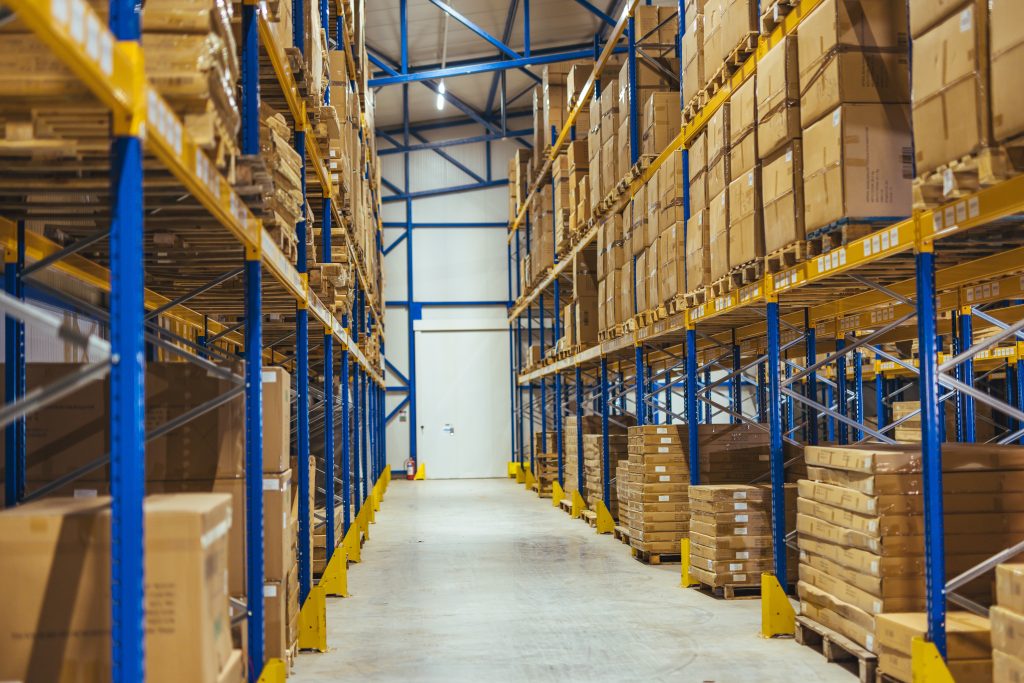
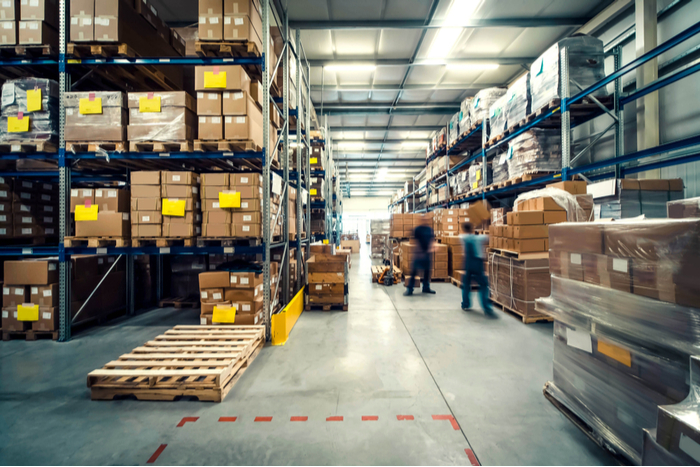
warehouse
NewsSupply Chain

Nearly nine in 10 ecommerce businesses are planning to change their primary manufacturing locations over the next three years, as geopolitical instability and ongoing disruption force a rethink of global supply chains.

New research from Fidelity Fulfilment found that 87 per cent of ecommerce companies are likely to move their main manufacturing base.

The study, conducted with Opinion Matters, surveyed 1,500 ecommerce businesses across the UK, Europe and the US.

It suggests that ecommerce firms are moving beyond short-term reaction and into a more deliberate phase of supply chain redesign, with resilience and flexibility becoming more central to long-term strategy.

That shift is also showing up in fulfilment planning. Some 86 per cent of respondents said they were likely to open additional fulfilment centres within the next three years, signalling a move towards more distributed logistics networks.

By spreading inventory across more locations and placing stock closer to customers, businesses are aiming to improve delivery speeds, reduce exposure to disruption and make cross-border operations less complex.

Despite continuing economic and geopolitical uncertainty, businesses appear to be feeling more prepared than they did in the recent past.

The research found that 88 per cent of respondents are now more confident in their ability to manage supply chain shocks than they were three years ago.

Technology is playing a major part in that confidence, with almost all respondents (99 per cent) saying fulfilment technology is important in strengthening supply chain resilience.

The findings also point to sustainability becoming a more commercially relevant part of supply chain strategy.

Nearly nine in 10 businesses said their sustainability initiatives had had a positive impact on the organisation, rising to 93 per cent among EU respondents and 92 per cent in the UK.

However, customer experience still came out on top when leaders were asked to prioritise a single strategic focus area. Some 23 per cent selected customer experience, ahead of both cost savings and sustainability, which were each chosen by 19 per cent.

That suggests delivery performance and fulfilment quality remain the most immediate levers for winning loyalty in a competitive ecommerce market.

The findings come as ecommerce businesses face mounting pressure to balance speed, cost control and sustainability, while building networks that are less vulnerable to external shocks.

Click here to sign up to Retail Gazette‘s free daily email newsletter

NewsSupply Chain

Leave a Reply

Your email address will not be published. Required fields are marked *

Fill out this field
Fill out this field
Please enter a valid email address.

NewsSupply Chain

Share:

Majority of ecommerce firms plan to shift manufacturing as supply chains come under pressure

warehouse

Nearly nine in 10 ecommerce businesses are planning to change their primary manufacturing locations over the next three years, as geopolitical instability and ongoing disruption force a rethink of global supply chains.

New research from Fidelity Fulfilment found that 87 per cent of ecommerce companies are likely to move their main manufacturing base.

The study, conducted with Opinion Matters, surveyed 1,500 ecommerce businesses across the UK, Europe and the US.

It suggests that ecommerce firms are moving beyond short-term reaction and into a more deliberate phase of supply chain redesign, with resilience and flexibility becoming more central to long-term strategy.

That shift is also showing up in fulfilment planning. Some 86 per cent of respondents said they were likely to open additional fulfilment centres within the next three years, signalling a move towards more distributed logistics networks.

By spreading inventory across more locations and placing stock closer to customers, businesses are aiming to improve delivery speeds, reduce exposure to disruption and make cross-border operations less complex.

Despite continuing economic and geopolitical uncertainty, businesses appear to be feeling more prepared than they did in the recent past.

The research found that 88 per cent of respondents are now more confident in their ability to manage supply chain shocks than they were three years ago.

Technology is playing a major part in that confidence, with almost all respondents (99 per cent) saying fulfilment technology is important in strengthening supply chain resilience.

The findings also point to sustainability becoming a more commercially relevant part of supply chain strategy.

Nearly nine in 10 businesses said their sustainability initiatives had had a positive impact on the organisation, rising to 93 per cent among EU respondents and 92 per cent in the UK.

However, customer experience still came out on top when leaders were asked to prioritise a single strategic focus area. Some 23 per cent selected customer experience, ahead of both cost savings and sustainability, which were each chosen by 19 per cent.

That suggests delivery performance and fulfilment quality remain the most immediate levers for winning loyalty in a competitive ecommerce market.

The findings come as ecommerce businesses face mounting pressure to balance speed, cost control and sustainability, while building networks that are less vulnerable to external shocks.

Click here to sign up to Retail Gazette‘s free daily email newsletter

Social


SUBSCRIBE TO OUR DAILY NEWSLETTER

  • This field is for validation purposes and should be left unchanged.
NewsSupply Chain

Leave a Reply

Your email address will not be published. Required fields are marked *

Fill out this field
Fill out this field
Please enter a valid email address.

RELATED STORIES

Latest Feature


Menu


Close popup

Please enter the verification code sent to your email: