


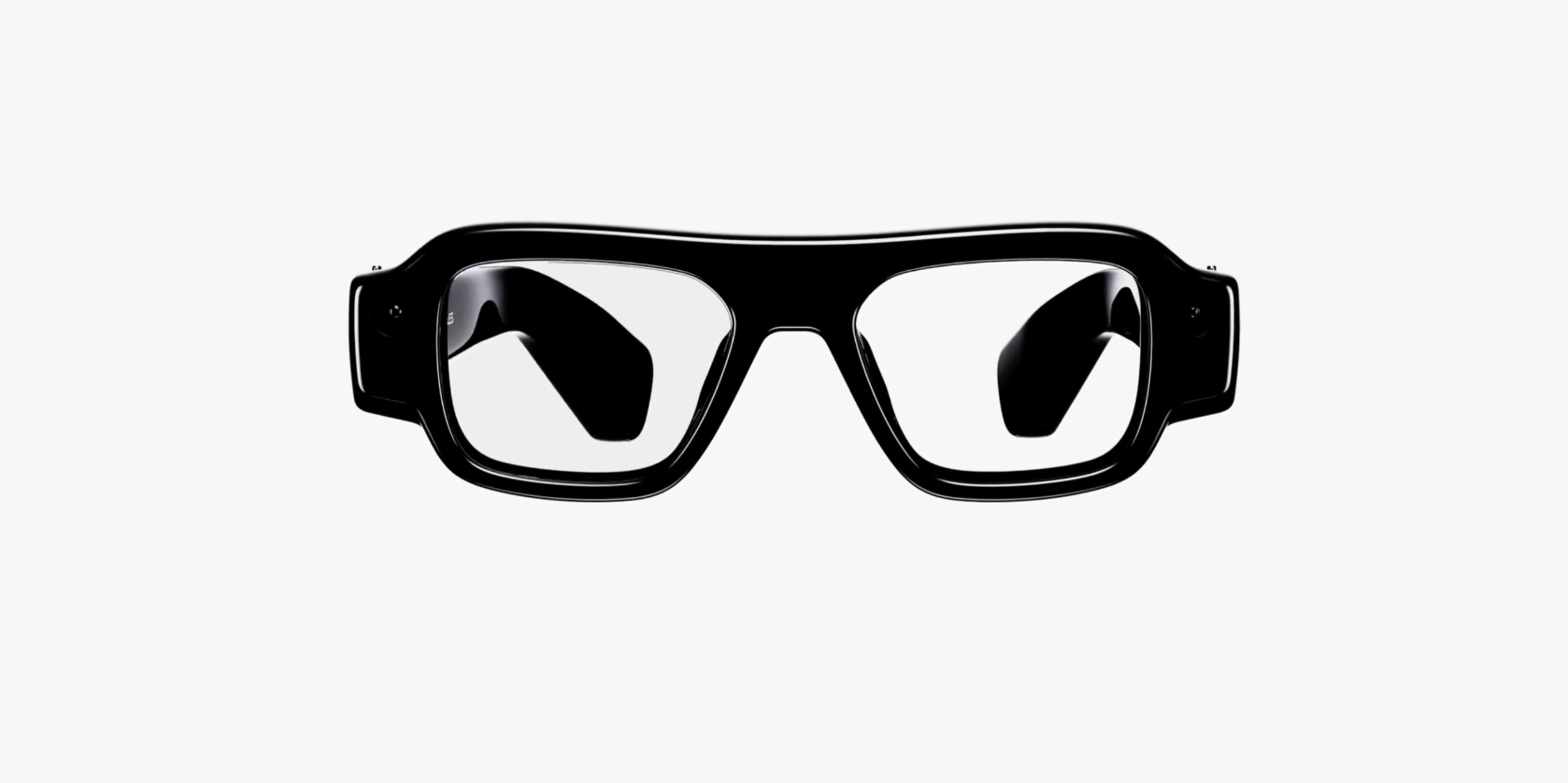
Snap has faced investor backlash after unveiling its long-awaited £1,995 smart glasses, with the bulky design of the device widely mocked online.
The Snapchat owner launched its new augmented reality Specs this week, positioning them as the next major shift in personal computing.
Snap chief executive Evan Spiegel said he had spent his working life developing the technology behind the product, which he described as a “see-through computer”.
However, the launch has been overshadowed by criticism of the glasses’ design, price and likely appeal beyond developers and early adopters.
The company’s share price fell around 17 per cent after the announcement, despite Snap cautioning that the first version of the device was not intended to become a mass-market product immediately.
Specs allow users to browse the web, play games, communicate, record video, translate signs and use AI-powered tools through a display that sits in front of the wearer.
Spiegel told the Augmented World Expo conference that augmented reality would move computing away from phones and into the physical world.
“The smartphone put our lives in our pockets,” he said. “But augmented reality puts computing into the world where life actually happens.”
The launch comes as major technology companies race to develop wearable devices that could become the next major consumer electronics category after smartphones.
Meta has already launched its Ray-Ban Display smart glasses at a lower price point of $799, equivalent to around £604, while Snap is betting on a standalone device that does not need to be connected to a phone or wrist-based controller.
That independence comes with compromises. Specs weigh 136g, compared with around 30g for a typical pair of glasses, making them significantly heavier than standard eyewear.
Observers were quick to point out that the glasses appeared to bend Spiegel’s ear during his public appearance, with social media users turning the moment into memes.
Snap has attempted to give the device cultural credibility through an advertising campaign featuring musician Imogen Heap, model Kaia Gerber and rapper Jack Harlow.
However, analysts said the company may struggle to convince ordinary shoppers to pay almost £2,000 for a product that remains bulky and experimental.
FDM CCS Insight market analyst Ben Hatton said the price meant Specs were unlikely to become mainstream soon, particularly given Snapchat’s younger audience.
“At £1,995, Specs are not going to become a mainstream device any time soon,” he said.
Hatton added that the glasses’ four-hour mixed-use battery life and heavier design would limit how long consumers could realistically wear them.
The launch highlights the challenge facing retailers and consumer technology brands as they attempt to push augmented reality into the mainstream.
While smart glasses have long been pitched as a way to blend digital services with real-world shopping, entertainment and communication, consumers have so far been reluctant to embrace devices that feel expensive, conspicuous or uncomfortable.
For retailers, the technology still carries longer-term promise. AR glasses could eventually allow shoppers to compare products, receive personalised recommendations, scan information in-store or view digital overlays while browsing physical environments.
However, Snap’s launch underlines the gap between the ambition of wearable computing and what most consumers are currently willing to wear and pay for.
Analyst MG Siegler said in his Spyglass newsletter that the biggest barrier was the price.
“The reality is that $2,195 is just not going to cut it,” he wrote.
Snap’s first-generation Specs are expected to ship in the autumn. The company will be hoping that developers can build compelling experiences for the device before any broader consumer push.
For now, the reaction suggests smart glasses still have some way to go before they move from tech showcase to everyday retail product.
Click here to sign up to Retail Gazette‘s free daily email newsletter