

AI use across UK logistics has surged in the first months of 2026, but a new report warns that many supply chain operators still lack the data and systems needed to make the technology work properly.
The research created by Parcelhero, titled Putting the AI into Supply ChAIns, found that the proportion of UK transport and storage firms using AI rose from 16.1 per cent to 27.1 per cent in the first quarter of the year.
It said the 11 per cent jump showed that AI was moving beyond trial projects and into day-to-day logistics operations.
More than 20 per cent of the remaining firms surveyed said they planned to adopt AI within the second quarter of 2026, suggesting the first wave of uptake is still gathering pace.
The report argues that the strongest benefits are already being seen in route planning, warehouse management, last-mile delivery and freight operations.
AI-driven route optimisation is delivering cost reductions of around 10 per cent and improving on-time delivery rates by 15 per cent, according to the report.
It said algorithms can now re-order more than 100 delivery stops in seconds by processing live traffic, weather and customer preference data at the same time.
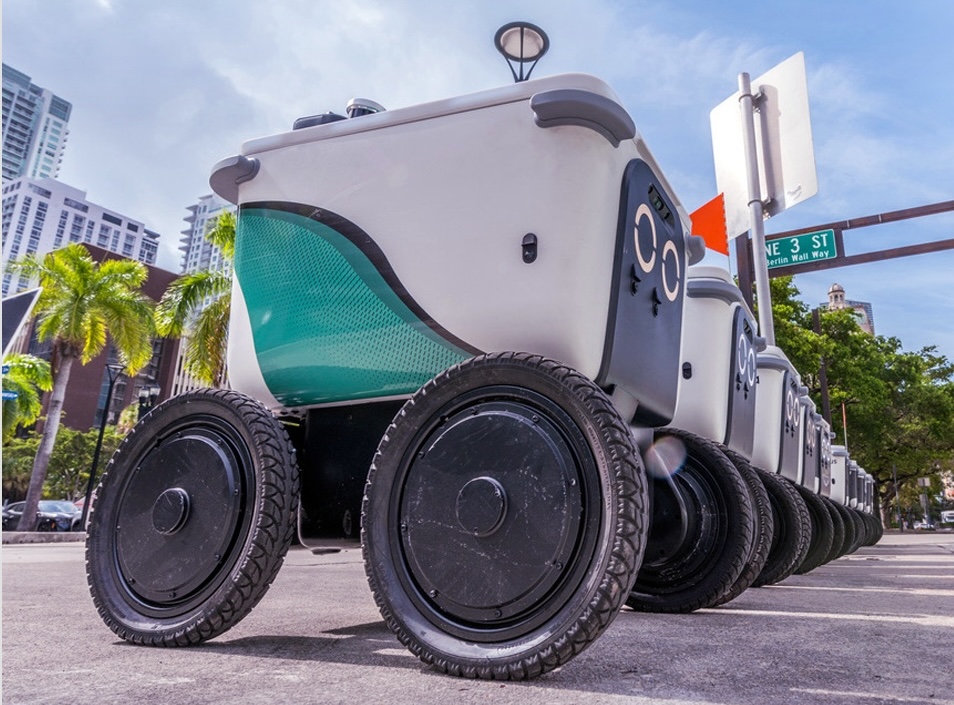
The last mile remains a major focus for retailers and logistics firms, as it can account for more than 53 per cent of total shipping costs.
AI use across last-mile delivery has reportedly grown 39 per cent over the past year, with some systems able to forecast shipment volumes for specific facilities with up to 95 per cent accuracy.
That can allow operators to move stock closer to expected demand before orders are formally placed.
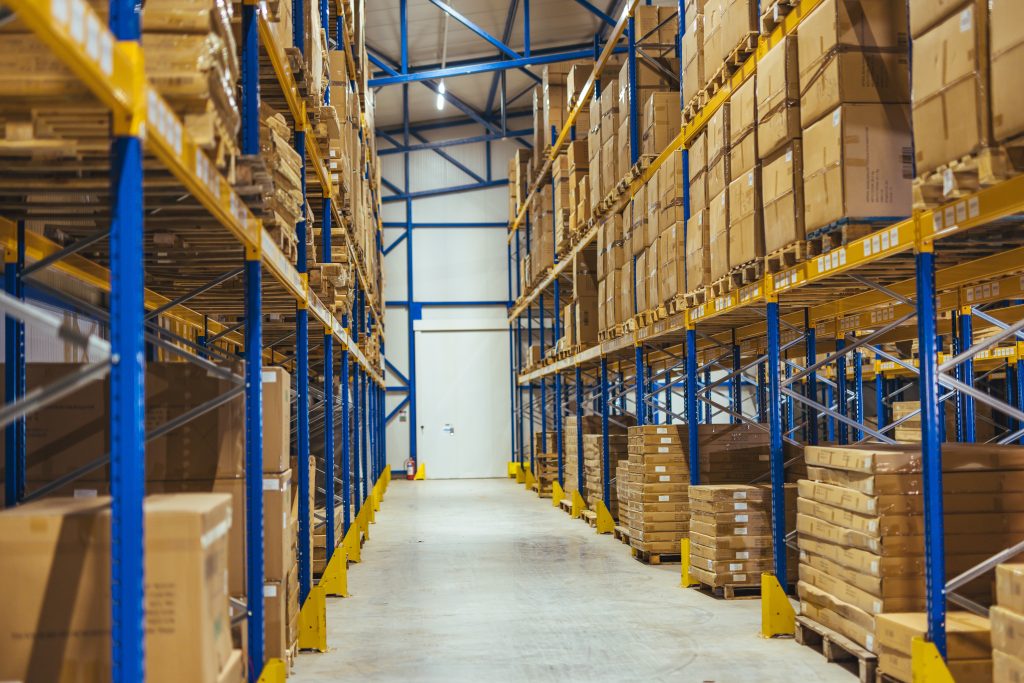
The report also points to rapid change in warehousing, where AI is being used to manage autonomous mobile robots, predict equipment failures and reduce energy use across large facilities.
Citing McKinsey, it said 56 per cent of businesses had already integrated AI into at least one operational function.
The shift is also reaching international freight.
In maritime logistics, the report said the AI market was valued at £4.13bn in 2024 and is forecast to grow at a compound annual rate of 23 per cent over the next five years.
It also highlighted the Yara Birkeland, the fully electric autonomous commercial container ship operating in Norway, which has completed more than 250 voyages and is expected to replace around 40,000 diesel truck journeys a year on its route.
Air freight is another area being reshaped by automation, with AI used to support rate comparisons, export classifications, customs documentation and estimated arrival times.
However, Parcelhero warned that many businesses are being held back less by AI tools themselves than by the systems underneath them.
Legacy platforms, manual workflows and batch-processed data can make it difficult for companies to use real-time AI effectively.
The report said the main challenge for slower adopters will be improving data quality, digital infrastructure and workforce capability before layering AI on top.
Parcelhero also pushed back against fears that AI adoption would automatically lead to large-scale job losses.
Its analysis of ONS data found that 31 per cent of AI-adopting transport and storage firms reported no change in headcount, while the number reporting definite job cuts was too small to register statistically.
The report argues that reskilling is likely to be a more pressing issue than redundancy, as logistics workers increasingly need to manage, interpret and act on AI-supported systems.
Click here to sign up to Retail Gazette‘s free daily email newsletter