Back Market highlights ‘hidden costs’ of manufacturing new smartphones in latest campaign

Back Market
MarketingNewsTechnology

Back Market calls out the “hidden costs” of producing new smartphones in a new campaign.

The marketing drive centres on the question- Do you know how heavy your phone truly is? A 200g smartphone requires 266 kilograms of raw materials extraction to make. Current global consumption of smartphones means 319 million tonnes of upstream materials are extracted every year.

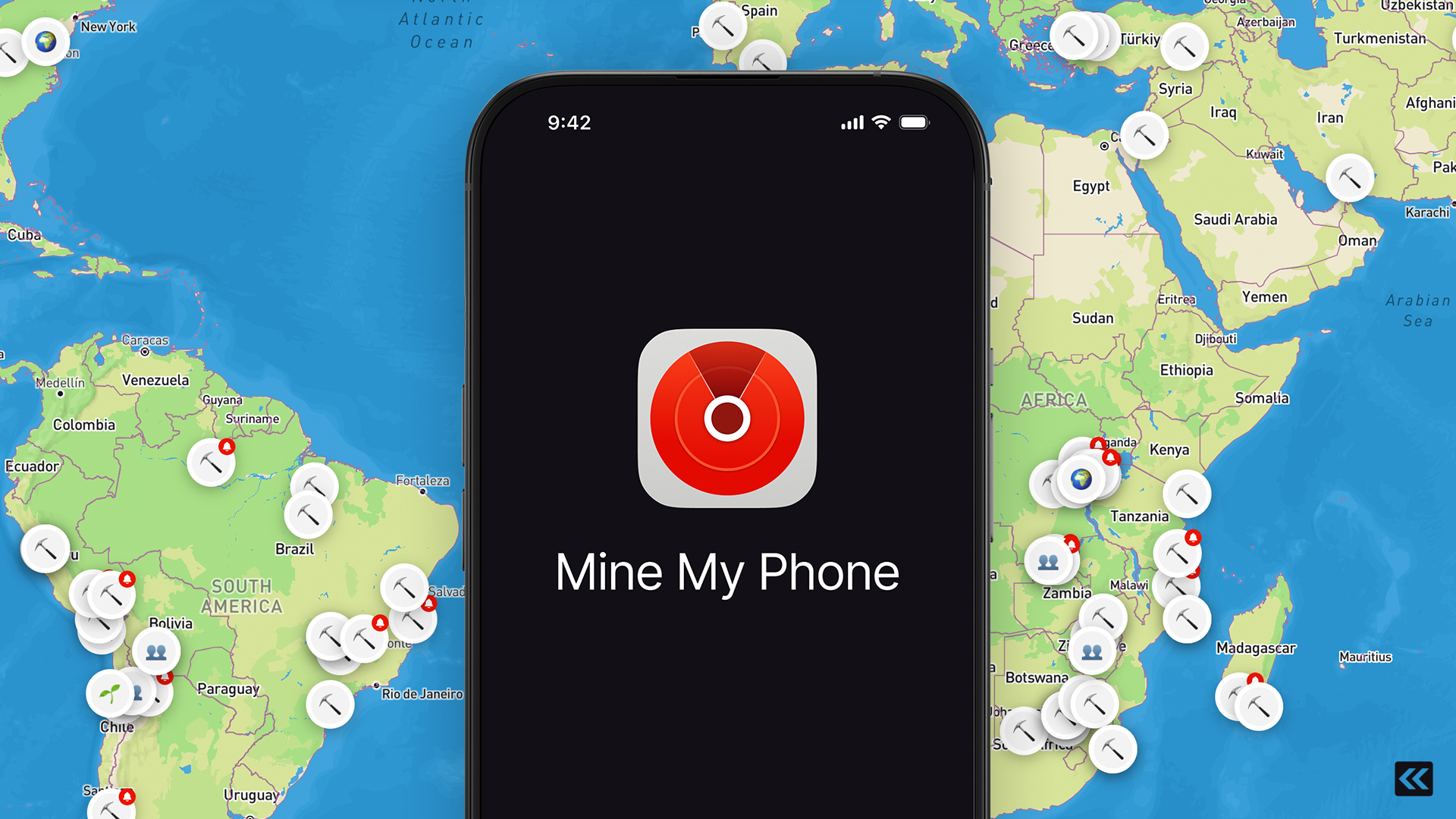
Titled ‘Mine My Phone’, the campaign asks consumers to look at the devices they already own rather than what they should by next. It highlights the invisible supply chain and aims to encourage the public to the keep their devices for longer.

Joy Howard, chief marketing officer of Back Market, said: “Back Market has never existed just to sell more devices. We exist because we believe the way the technology industry asks people to consume is fundamentally broken.

“The most powerful brands don’t just tell people what to buy; they give people a reason to question the status quo. Mine My Phone is about making something deliberately invisible, impossible to ignore and then giving people a way to do something about it.”

As part of the campaign, Back Market has unveiled three ‘Heavy Phone’ sculptures in New York during Climate Week. The installations were crafted by Nigerian artist Ian Umeh and one of the three artworks will be carried by drag queen and climate activist Pattie Gonia through the streets of Manhattan.

The marketing drive will launch more broadly as web platform which brings together expert commentary, reporting and data. It hopes to make the complex extraction economy behind consumer electronics easier to understand for consumers.


Back Market is calling for a legally mandated ten year device standard, covering repairability, durability and long-term software support. The retailer argues that keeping a smartphone in use for a decade rather than 2.5 years can help avoid around 757 kilograms of raw material extraction per device.

It’s campaign is supported by research which shows over half of consumers cannot name a single raw material inside their smartphone.

Titled ‘Smartphone Extraction Gap Report ‘, the study was conducted by Opinium and surveyed consumers across the UK, US, France, Spain, Germany and Japan.

It highlighted only one in four felt confident they knew wat materials went into making a device and seven in ten have never investigated where the materials in their phones came from.

It also showed 66 per cent of respondents support legislation requiring devices to remain repairable, software supported and durable for at least ten years.

The study also showed that when informed that buying a refurbished phone avoids an estimated 243 kilograms of raw material extraction compared with making a new one, 49 reported they would be more likely to buy refurbished.

“Consumers have spent decades being marketed on the benefits of the next device without being shown the true cost of making it,” Howard adds.

“Our job as a challenger brand is to put the information on the table that the category would rather leave out. If that makes people keep their phone longer, repair it or buy refurbished instead of new, that’s a successful campaign for us.”

Click here to sign up to Retail Gazette‘s free daily email newsletter

MarketingNewsTechnology

Leave a Reply

Your email address will not be published. Required fields are marked *

Fill out this field
Fill out this field
Please enter a valid email address.

MarketingNewsTechnology

Share:

Back Market highlights ‘hidden costs’ of manufacturing new smartphones in latest campaign

Back Market

Back Market calls out the “hidden costs” of producing new smartphones in a new campaign.

The marketing drive centres on the question- Do you know how heavy your phone truly is? A 200g smartphone requires 266 kilograms of raw materials extraction to make. Current global consumption of smartphones means 319 million tonnes of upstream materials are extracted every year.

Titled ‘Mine My Phone’, the campaign asks consumers to look at the devices they already own rather than what they should by next. It highlights the invisible supply chain and aims to encourage the public to the keep their devices for longer.

Joy Howard, chief marketing officer of Back Market, said: “Back Market has never existed just to sell more devices. We exist because we believe the way the technology industry asks people to consume is fundamentally broken.

“The most powerful brands don’t just tell people what to buy; they give people a reason to question the status quo. Mine My Phone is about making something deliberately invisible, impossible to ignore and then giving people a way to do something about it.”

As part of the campaign, Back Market has unveiled three ‘Heavy Phone’ sculptures in New York during Climate Week. The installations were crafted by Nigerian artist Ian Umeh and one of the three artworks will be carried by drag queen and climate activist Pattie Gonia through the streets of Manhattan.

The marketing drive will launch more broadly as web platform which brings together expert commentary, reporting and data. It hopes to make the complex extraction economy behind consumer electronics easier to understand for consumers.


Back Market is calling for a legally mandated ten year device standard, covering repairability, durability and long-term software support. The retailer argues that keeping a smartphone in use for a decade rather than 2.5 years can help avoid around 757 kilograms of raw material extraction per device.

It’s campaign is supported by research which shows over half of consumers cannot name a single raw material inside their smartphone.

Titled ‘Smartphone Extraction Gap Report ‘, the study was conducted by Opinium and surveyed consumers across the UK, US, France, Spain, Germany and Japan.

It highlighted only one in four felt confident they knew wat materials went into making a device and seven in ten have never investigated where the materials in their phones came from.

It also showed 66 per cent of respondents support legislation requiring devices to remain repairable, software supported and durable for at least ten years.

The study also showed that when informed that buying a refurbished phone avoids an estimated 243 kilograms of raw material extraction compared with making a new one, 49 reported they would be more likely to buy refurbished.

“Consumers have spent decades being marketed on the benefits of the next device without being shown the true cost of making it,” Howard adds.

“Our job as a challenger brand is to put the information on the table that the category would rather leave out. If that makes people keep their phone longer, repair it or buy refurbished instead of new, that’s a successful campaign for us.”

Click here to sign up to Retail Gazette‘s free daily email newsletter

Social


SUBSCRIBE TO OUR DAILY NEWSLETTER

  • This field is for validation purposes and should be left unchanged.
MarketingNewsTechnology

Leave a Reply

Your email address will not be published. Required fields are marked *

Fill out this field
Fill out this field
Please enter a valid email address.

RELATED STORIES

Latest Feature


Menu

The brand, budget, and agency decisions reshaping UK retail marketing

Join 1.5k retail marketing directors and senior leaders

Marketing Weekly NL Form

  • This field is for validation purposes and should be left unchanged.


Please enter the verification code sent to your email: