Supply chain expert Ben Wright on what Poundland and TGJones chaos means for suppliers

Big InterviewDiscount RetailSupply Chain

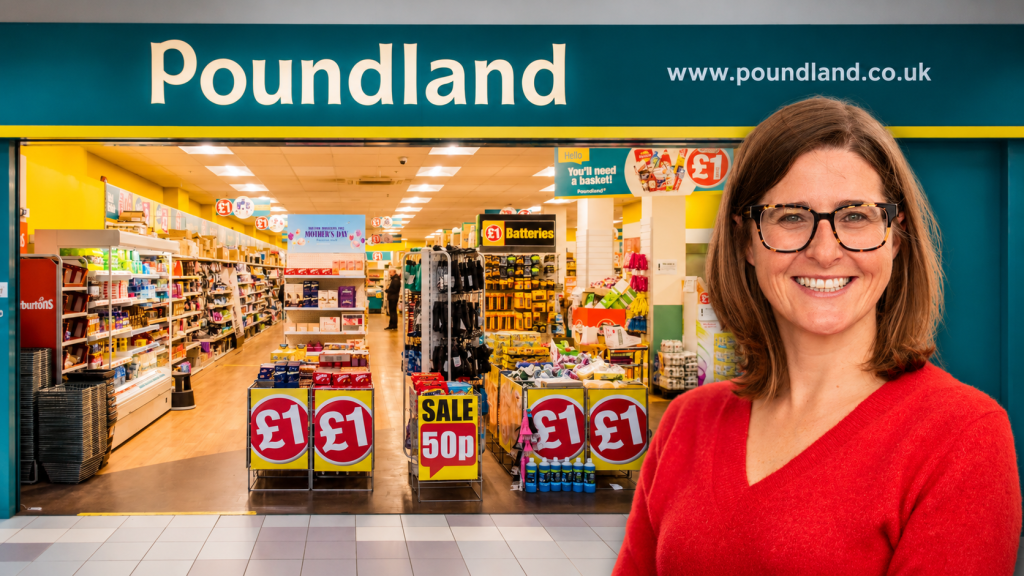
Poundland had to get more than 50 suppliers delivering again to put Yorkshire Tea, Pot Noodles and other groceries back on its shelves this month.

A release of £21m from owner Gordon Brothers helped get the goods moving through its depots near Wigan and in Harlow. For the businesses that sent them, there’s another decision coming. On what terms would they send the next load?

That question has become more pressing since the restock. Poundland is reportedly preparing for hundreds of store closures if rescue talks fail, although German investor Zachert Private Equity entered the running over the weekend.

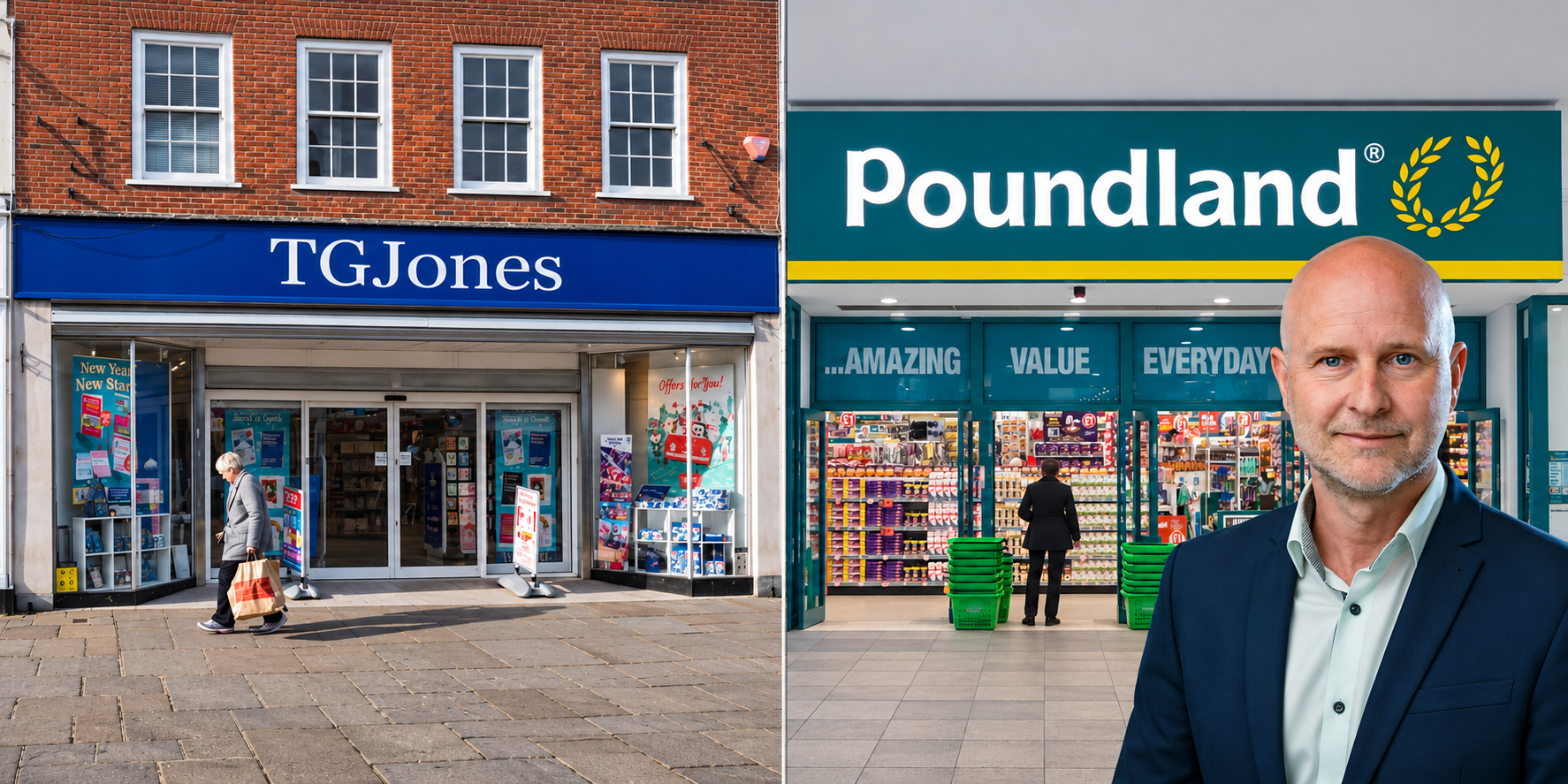
At TGJones, the former WHSmith high street business, owner Modella Capital has asked Teneo to assess approaches from potential buyers. Some of its suppliers have already taken losses under the restructuring approved in July. Others, including Lonely Planet and Ferrero, have had to wait longer for payment.

Ben Wright, managing partner for the UK and Ireland at Argon & Co, tells Retail Gazette that a supplier may have committed to an order six or 12 months before the first doubts emerge about a retailer’s future.

By the time a buyer starts counting the branches worth keeping, somebody else has paid to make the goods that were meant to go into all of them.

Take the stationery supplier working to a TGJones order. “They have specific suppliers, bringing in specific products that they have pre-ordered,” Wright says. A smaller estate means fewer shelves for those lines and fewer repeat orders.

If the chain went into administration, the supplier could also face a shortfall on goods already delivered. Finding another stationery buyer might solve the problem of stock still in the warehouse. It does little for the invoice outstanding on the last consignment.

Poundland buys some of its ranges in much the same way. Its Christmas and Halloween lines, Wright says, are examples of dedicated supply that can be profitable for the discounter.

But Poundland also makes money from other companies’ buying mistakes. A business that has ordered more than it can sell has somewhere to shift the excess, and Poundland gets merchandise at a price that works for its customers.

A much smaller Poundland would therefore leave two sets of suppliers looking for business. One would need a replacement for regular orders.

The other might only notice the loss months later, when a buyer needs to clear an overstock and finds that a chain once capable of taking it in volume now wants a fraction of it. The commercial relationship can be a one-off and still matter a great deal when a warehouse needs emptying.

A sale of individual sites would leave even less certainty. A rival taking the keys to a Poundland branch may already buy its groceries centrally, with a full set of suppliers and delivery routes of its own.

Long before it comes to that, a supplier has to decide how much credit it can afford to extend. Word that a customer might struggle to pay is often enough to change the terms of a delivery, Wright says. “Some suppliers will hold back and say, no, I need my cash before I give you all this product.”

Seen from the other end of the transaction, that is a difficult position for a retailer to trade its way out of.

Each supplier asking for cash upfront makes a perfectly sensible decision about its own exposure. Put enough of those decisions together and a shop starts running short of the everyday lines that give people a reason to visit. As Wright puts it, “I can’t get half the things I want, I’m not going back.”

Poundland’s grocery deliveries show how quickly money can get stock moving again. Winning back a shopper who has started buying their tea elsewhere is a different proposition. Nor does a well-stocked shop tell a prospective owner much about the terms on which it can keep buying. A business paying upfront for its bestsellers needs more cash to run the same number of stores.

For a small manufacturer, the sums can be uncomfortable even if a rescue succeeds. Wright gives the example of a producer doing 80 per cent of its sales through one customer. Some specialist producers agree to supply a retailer exclusively.

That arrangement can look attractive for years. A round of closures leaves the producer trying to replace a sizeable share of its income just as it needs money to develop a range it can sell elsewhere.

The consequences can reach home. Where a director has personally guaranteed borrowing to finance production, the lender can pursue them if their business cannot repay. Depending on the guarantee, the family home could be at risk.

Wright is wary of assuming that one retail failure inevitably brings down a string of suppliers. Much depends on how reliant each is on the account and how long it can manage without the money.

He points to HMV as a reason to take a rescue seriously. An established supplier can go on selling to a business under new ownership, provided it survives the wait. There are good reasons for a buyer to keep some of those relationships. A supplier that knows what sells at Christmas and can deliver it at the right price has something to offer a smaller chain too.

One choice for a new owner would be how much stock to hold itself. Wright cites Home Bargains and TK Maxx, where buyers can act on one-off offers from a wide range of suppliers. “But crucially they hold their own stock,” he says.

It gives them control over what is available in store. Adopting that approach would require a buyer to fund the inventory and somewhere to keep it, a considerable demand on a business already negotiating for cash to replenish its shelves.

Wright expects the reckoning on Christmas profitability to carry into 2027.

Heavy discounting may bring shoppers in, but thin margins mean another conversation with suppliers about where costs can come out. He would start by identifying which arrangements worked through the disruption and where the loss of one supplier could leave a whole category short.

Changing suppliers every few months has costs of its own.

For the firms supplying Poundland and TGJones, the first measure of a rescue will be the size of the order book. The next will be whether the retailer can pay on terms both sides can live with.

Those decisions run to a tighter timetable than any sale process. A supplier with wages due on Friday can believe wholeheartedly in a retailer’s prospects under a new owner and still need paying this week.

Click here to sign up to Retail Gazette‘s free daily email newsletter

Big InterviewDiscount RetailSupply Chain

Leave a Reply

Your email address will not be published. Required fields are marked *

Fill out this field
Fill out this field
Please enter a valid email address.

Big InterviewDiscount RetailSupply Chain

Share:

Supply chain expert Ben Wright on what Poundland and TGJones chaos means for suppliers

Poundland had to get more than 50 suppliers delivering again to put Yorkshire Tea, Pot Noodles and other groceries back on its shelves this month.

A release of £21m from owner Gordon Brothers helped get the goods moving through its depots near Wigan and in Harlow. For the businesses that sent them, there’s another decision coming. On what terms would they send the next load?

That question has become more pressing since the restock. Poundland is reportedly preparing for hundreds of store closures if rescue talks fail, although German investor Zachert Private Equity entered the running over the weekend.

At TGJones, the former WHSmith high street business, owner Modella Capital has asked Teneo to assess approaches from potential buyers. Some of its suppliers have already taken losses under the restructuring approved in July. Others, including Lonely Planet and Ferrero, have had to wait longer for payment.

Ben Wright, managing partner for the UK and Ireland at Argon & Co, tells Retail Gazette that a supplier may have committed to an order six or 12 months before the first doubts emerge about a retailer’s future.

By the time a buyer starts counting the branches worth keeping, somebody else has paid to make the goods that were meant to go into all of them.

Take the stationery supplier working to a TGJones order. “They have specific suppliers, bringing in specific products that they have pre-ordered,” Wright says. A smaller estate means fewer shelves for those lines and fewer repeat orders.

If the chain went into administration, the supplier could also face a shortfall on goods already delivered. Finding another stationery buyer might solve the problem of stock still in the warehouse. It does little for the invoice outstanding on the last consignment.

Poundland buys some of its ranges in much the same way. Its Christmas and Halloween lines, Wright says, are examples of dedicated supply that can be profitable for the discounter.

But Poundland also makes money from other companies’ buying mistakes. A business that has ordered more than it can sell has somewhere to shift the excess, and Poundland gets merchandise at a price that works for its customers.

A much smaller Poundland would therefore leave two sets of suppliers looking for business. One would need a replacement for regular orders.

The other might only notice the loss months later, when a buyer needs to clear an overstock and finds that a chain once capable of taking it in volume now wants a fraction of it. The commercial relationship can be a one-off and still matter a great deal when a warehouse needs emptying.

A sale of individual sites would leave even less certainty. A rival taking the keys to a Poundland branch may already buy its groceries centrally, with a full set of suppliers and delivery routes of its own.

Long before it comes to that, a supplier has to decide how much credit it can afford to extend. Word that a customer might struggle to pay is often enough to change the terms of a delivery, Wright says. “Some suppliers will hold back and say, no, I need my cash before I give you all this product.”

Seen from the other end of the transaction, that is a difficult position for a retailer to trade its way out of.

Each supplier asking for cash upfront makes a perfectly sensible decision about its own exposure. Put enough of those decisions together and a shop starts running short of the everyday lines that give people a reason to visit. As Wright puts it, “I can’t get half the things I want, I’m not going back.”

Poundland’s grocery deliveries show how quickly money can get stock moving again. Winning back a shopper who has started buying their tea elsewhere is a different proposition. Nor does a well-stocked shop tell a prospective owner much about the terms on which it can keep buying. A business paying upfront for its bestsellers needs more cash to run the same number of stores.

For a small manufacturer, the sums can be uncomfortable even if a rescue succeeds. Wright gives the example of a producer doing 80 per cent of its sales through one customer. Some specialist producers agree to supply a retailer exclusively.

That arrangement can look attractive for years. A round of closures leaves the producer trying to replace a sizeable share of its income just as it needs money to develop a range it can sell elsewhere.

The consequences can reach home. Where a director has personally guaranteed borrowing to finance production, the lender can pursue them if their business cannot repay. Depending on the guarantee, the family home could be at risk.

Wright is wary of assuming that one retail failure inevitably brings down a string of suppliers. Much depends on how reliant each is on the account and how long it can manage without the money.

He points to HMV as a reason to take a rescue seriously. An established supplier can go on selling to a business under new ownership, provided it survives the wait. There are good reasons for a buyer to keep some of those relationships. A supplier that knows what sells at Christmas and can deliver it at the right price has something to offer a smaller chain too.

One choice for a new owner would be how much stock to hold itself. Wright cites Home Bargains and TK Maxx, where buyers can act on one-off offers from a wide range of suppliers. “But crucially they hold their own stock,” he says.

It gives them control over what is available in store. Adopting that approach would require a buyer to fund the inventory and somewhere to keep it, a considerable demand on a business already negotiating for cash to replenish its shelves.

Wright expects the reckoning on Christmas profitability to carry into 2027.

Heavy discounting may bring shoppers in, but thin margins mean another conversation with suppliers about where costs can come out. He would start by identifying which arrangements worked through the disruption and where the loss of one supplier could leave a whole category short.

Changing suppliers every few months has costs of its own.

For the firms supplying Poundland and TGJones, the first measure of a rescue will be the size of the order book. The next will be whether the retailer can pay on terms both sides can live with.

Those decisions run to a tighter timetable than any sale process. A supplier with wages due on Friday can believe wholeheartedly in a retailer’s prospects under a new owner and still need paying this week.

Click here to sign up to Retail Gazette‘s free daily email newsletter

Social


SUBSCRIBE TO OUR DAILY NEWSLETTER

  • This field is for validation purposes and should be left unchanged.
Big InterviewDiscount RetailSupply Chain

Leave a Reply

Your email address will not be published. Required fields are marked *

Fill out this field
Fill out this field
Please enter a valid email address.

RELATED STORIES

Latest Feature


Menu

Get Inside Matalan

A supply chain case study delivered to your inbox in three emails. The 3 elements Matalan changed to impact its bottom line..

Matalan Supply Chain Programme Form

  • This field is for validation purposes and should be left unchanged.


Please enter the verification code sent to your email: