
Palmer & Harvey paid out £8m a year in dividends despite consistent losses

dividends
Supply ChainGrocery

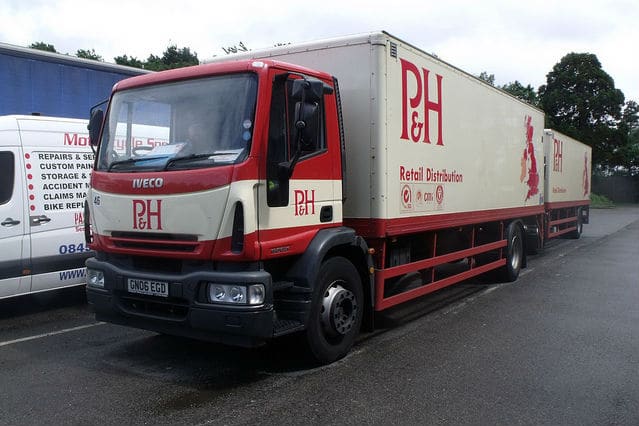
Palmer & Harvey paid out around £70 million in dividends over the last nine years, despite wracking up multimillion-pound losses.

The embattled grocery wholesaler, which supplied 90,000 retailers across the UK, reportedly paid out more than £8 million a year in dividends to its private shareholders and directors since 2009.

These payouts were dished out despite making losses of £10 million a year in every year but 2014.

Its net debt has also been consistently over £29 million every year since 2011, topping £43.6 million in 2016.

Following its demise into administration last week, which saw 2500 people lose their jobs and placed another 900 at risk, the news is likely to invite criticism from both its former employees and the retailers it supplied.

Convenience store chain Costcutter, which trades from 2200 stores across the country, was left without a supplier for a large portion of its goods following Palmer & Harvey’s demise last week.

Co-op will now supply the grocery chain in Palmer & Harvey’s place.

Swathes of McColl’s stores were also left without a supplier as a result of Palmer & Harvey’s collapse, but the convenience chain has since turned to Nisa for a short-term contract.

Click here to sign up to Retail Gazette‘s free daily email newsletter

Supply ChainGrocery

Leave a Reply

Your email address will not be published. Required fields are marked *

Fill out this field
Fill out this field
Please enter a valid email address.

Supply ChainGrocery

Share:

Palmer & Harvey paid out £8m a year in dividends despite consistent losses

dividends

Palmer & Harvey paid out around £70 million in dividends over the last nine years, despite wracking up multimillion-pound losses.

The embattled grocery wholesaler, which supplied 90,000 retailers across the UK, reportedly paid out more than £8 million a year in dividends to its private shareholders and directors since 2009.

These payouts were dished out despite making losses of £10 million a year in every year but 2014.

Its net debt has also been consistently over £29 million every year since 2011, topping £43.6 million in 2016.

Following its demise into administration last week, which saw 2500 people lose their jobs and placed another 900 at risk, the news is likely to invite criticism from both its former employees and the retailers it supplied.

Convenience store chain Costcutter, which trades from 2200 stores across the country, was left without a supplier for a large portion of its goods following Palmer & Harvey’s demise last week.

Co-op will now supply the grocery chain in Palmer & Harvey’s place.

Swathes of McColl’s stores were also left without a supplier as a result of Palmer & Harvey’s collapse, but the convenience chain has since turned to Nisa for a short-term contract.

Click here to sign up to Retail Gazette‘s free daily email newsletter

Social


SUBSCRIBE TO OUR DAILY NEWSLETTER

  • This field is for validation purposes and should be left unchanged.
Supply ChainGrocery

Leave a Reply

Your email address will not be published. Required fields are marked *

Fill out this field
Fill out this field
Please enter a valid email address.

RELATED STORIES

Latest Feature

Interview: How Palmer’s 20-year logistics partnership is fuelling its European expansion

Palmer’s may be one of the most familiar names on the bathroom shelf, but behind the cocoa butter bottles is a surprisingly small UK operation. ET Browne UK, which distributes the American family-owned skincare brand, has grown its sales while keeping its core team to fewer than 20 people. Now, as a new Tahitian Vanilla range brings younger shoppers to the brand and the company looks to expand further into Europe, the pressure is falling on the supply chain to keep up.

Palmer’s may be one of the most familiar names on the bathroom shelf, but behind the cocoa butter bottles is a surprisingly small UK operation.

ET Browne UK, which distributes the American family-owned skincare brand, has grown its sales while keeping its core team to fewer than 20 people.

Now, as a new Tahitian Vanilla range brings younger shoppers to the brand and the company looks to expand further into Europe, the pressure is falling on the supply chain to keep up.

Read More


Menu

Get Inside Matalan

A supply chain case study delivered to your inbox in three emails. The 3 elements Matalan changed to impact its bottom line..

Matalan Supply Chain Programme Form

  • This field is for validation purposes and should be left unchanged.


Please enter the verification code sent to your email: