

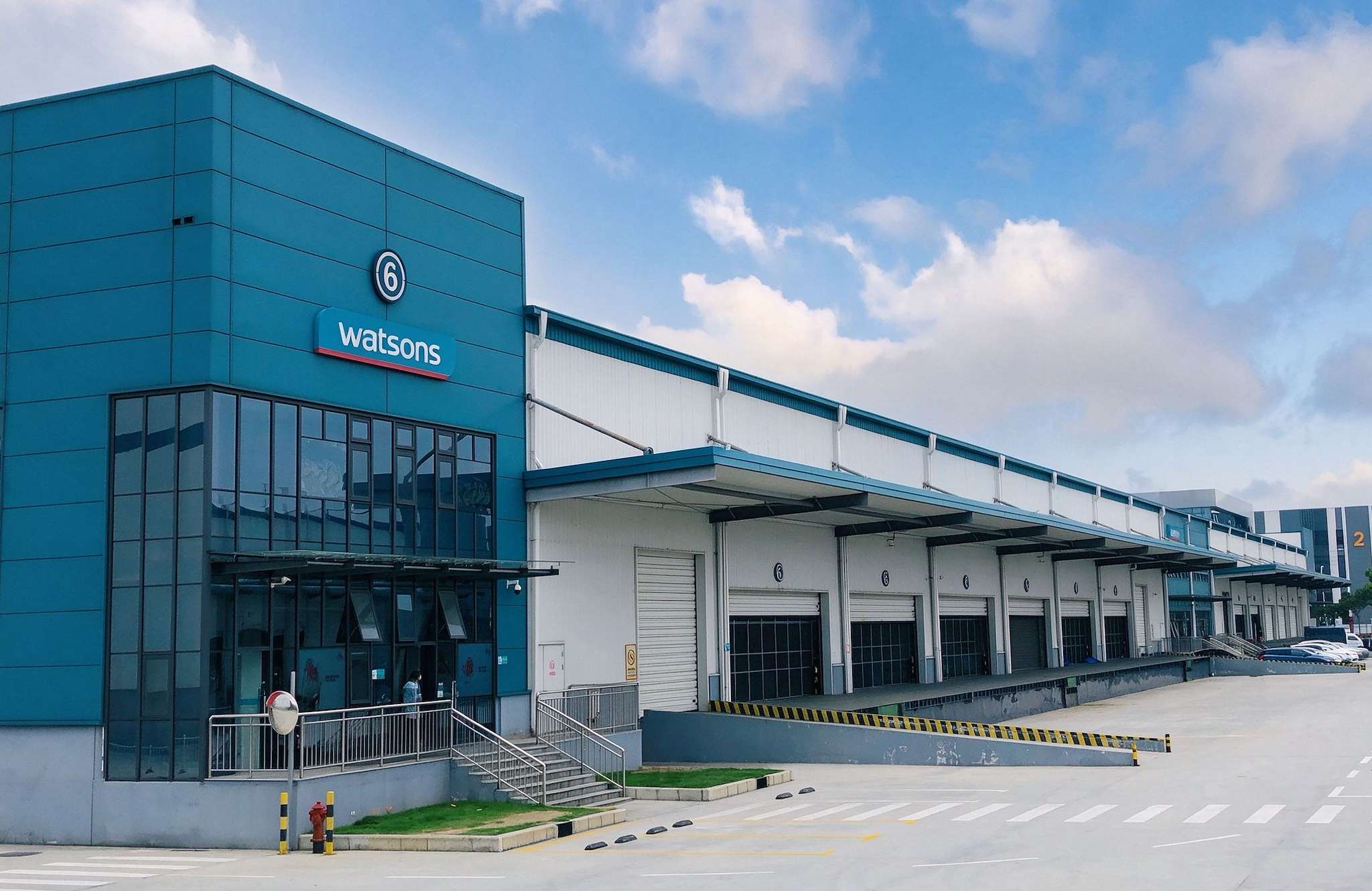
Superdrug and Savers owner AS Watson has reportedly doubled productivity at one of its European warehouses through the use of automation.
The group is introducing new technology across more than 55 distribution centres worldwide to speed up deliveries, improve stock availability and reduce the time employees spend on manual tasks.
At its distribution centre in Ede, the Netherlands, automation has doubled the amount of stock processed without increasing staff numbers.
Meanwhile, AI has cut the time needed to compile inter-store stock transfers from six hours to just 15 minutes.
The changes form part of a wider overhaul of AS Watson’s supply chain, which handled more than 3.7 billion individual products in 2025.
The business is using autonomous mobile robots, automated picking systems and AI-powered demand forecasting to help manage stock across its 17,000-plus stores in 31 markets.
AS Watson said the technology was also helping improve product availability, with its fast-moving ranges achieving nearly 99 per cent on-shelf availability.
As reported earlier this year, AS Watson appointed Mark Peaker as supply chain director for Superdrug and Savers in March, tasking him with improving efficiency and supporting future growth across both businesses.
The group has also been expanding its delivery services, with Superdrug introducing 24-hour deliveries through Just Eat at selected London stores in October.
AS Watson group supply chain director Steve Zandi said: “The future of supply chain is not people or technology. It is people empowered by technology.”
He added that combining AI, automation and employee expertise would help the business move products faster while creating new opportunities for staff.
The company also pointed to changes in the make-up of its warehouse workforce following the introduction of automation.
Women now account for almost 50 per cent of employees at its automated distribution centres, compared with around 30 per cent at facilities without automation.
In China, female representation in warehouse picking roles has increased from 50 per cent to 70 per cent following the introduction of automated systems.
AS Watson said reducing physically demanding tasks had made warehouse roles more accessible while allowing employees to focus on work requiring greater skills and judgement.
AS Watson said it would continue expanding its use of AI and automation as it hopes to handle growing demand, without relying solely on additional warehouse capacity or labour.
Click here to sign up to Retail Gazette‘s free daily email newsletter