


As M&S becomes the latest retailer to partner with Klarna, joining the likes of John Lewis and Boots, are brands widening access to Buy Now Pay Later in response to continued pressure on household budgets?
Buy Now Pay Later (BNPL) services are becoming harder to ignore. The flexibility at the checkout makes an increasingly valuable part of the customer proposition.
As consumers remain careful about discretionary spending, Klarna’s interest-free instalment options give shoppers another way to manage purchases without forcing merchants to rely solely on promotions or blanket discounting.
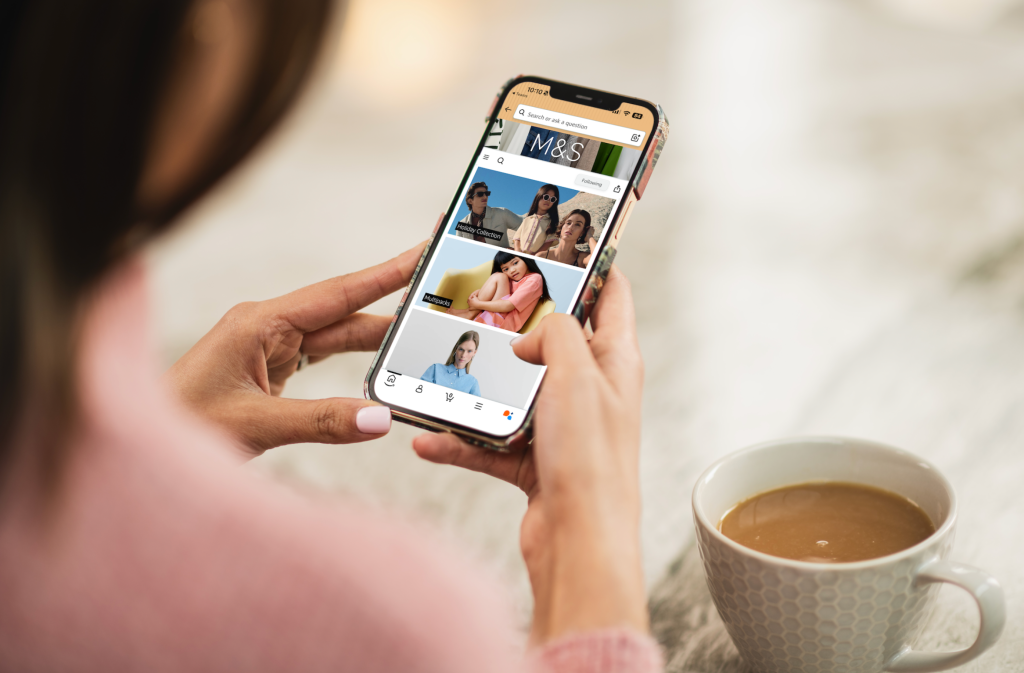
The latest major name to adopt the service is M&S. Shoppers on M&S.com and its app can now split the cost of fashion, home and beauty purchases into three equal, interest-free payments, with transparent terms and no revolving balance.
Katherine Carlson, director of financial services at M&S, says the move was designed to make shopping easier and give customers “more flexibility in how they pay for the things they love”.
With the pending budget and continued conversations around consumer confidence, that flexibility can help retailers protect conversion and preserve the appeal of higher-value baskets. Consumers, in turn, are given clear terms and conditions for repayment.
M&S joins more than 1.2 million merchants globally that partner with Klarna. The provider is already embedded across the UK department-store market: John Lewis has offered the service since 2024, as has Boots. The growing list suggests BNPL is moving from a differentiator towards a standard checkout expectation.
Related Story
From online option to omnichannel tool
The model is also spreading beyond ecommerce. Lululemon introduced Klarna payments across its UK and German stores earlier this year, allowing customers to scan a QR code at checkout and complete the transaction through the Klarna app. That shift brings the same payment flexibility to the shop floor and helps retailers create a more consistent experience across channels.
“People deserve flexibility without paying interest for it, so our goal is simple: meet them wherever they shop,” explains Klarna’s head of UK, Ireland, Western and Southern Europe, Raji Behal.
She described M&S as a British icon offering quality and value, and said the partnership would give its shoppers a transparent way to spread the cost with no interest and a clear end date.
Scale strengthens the case
In December 2024, eBay expanded its Klarna partnership beyond Germany to the UK, Austria, France, Italy, the Netherlands and Spain, putting flexible payment options in front of millions more shoppers. Depending on location, customers can use interest-free Pay in 3, Pay in 30 days or financing for larger purchases over a longer period.
The demand is already established among younger shoppers. A 2024 PYMNTS Intelligence report found that nearly half of Gen Z and Millennial consumers had used BNPL in the previous 12 months.
When competing for such cautious customers, offering familiar payment choices can reduce friction at the moment of purchase and make considered spending feel more manageable.
BNPL is not a substitute for value, and retailers still need clear terms and responsible customer journeys. But its rapid expansion across department stores, specialist chains and marketplaces shows why merchants see a benefit. It gives consumers control over timing, while helping retailers keep products accessible without changing the headline price.
As pressure on household finances continues, that balance is likely to keep flexible payments firmly on the retail agenda.
Click here to sign up to Retail Gazette‘s free daily email newsletter