BRC urges government action as retailers warn Middle East conflict will push up food prices

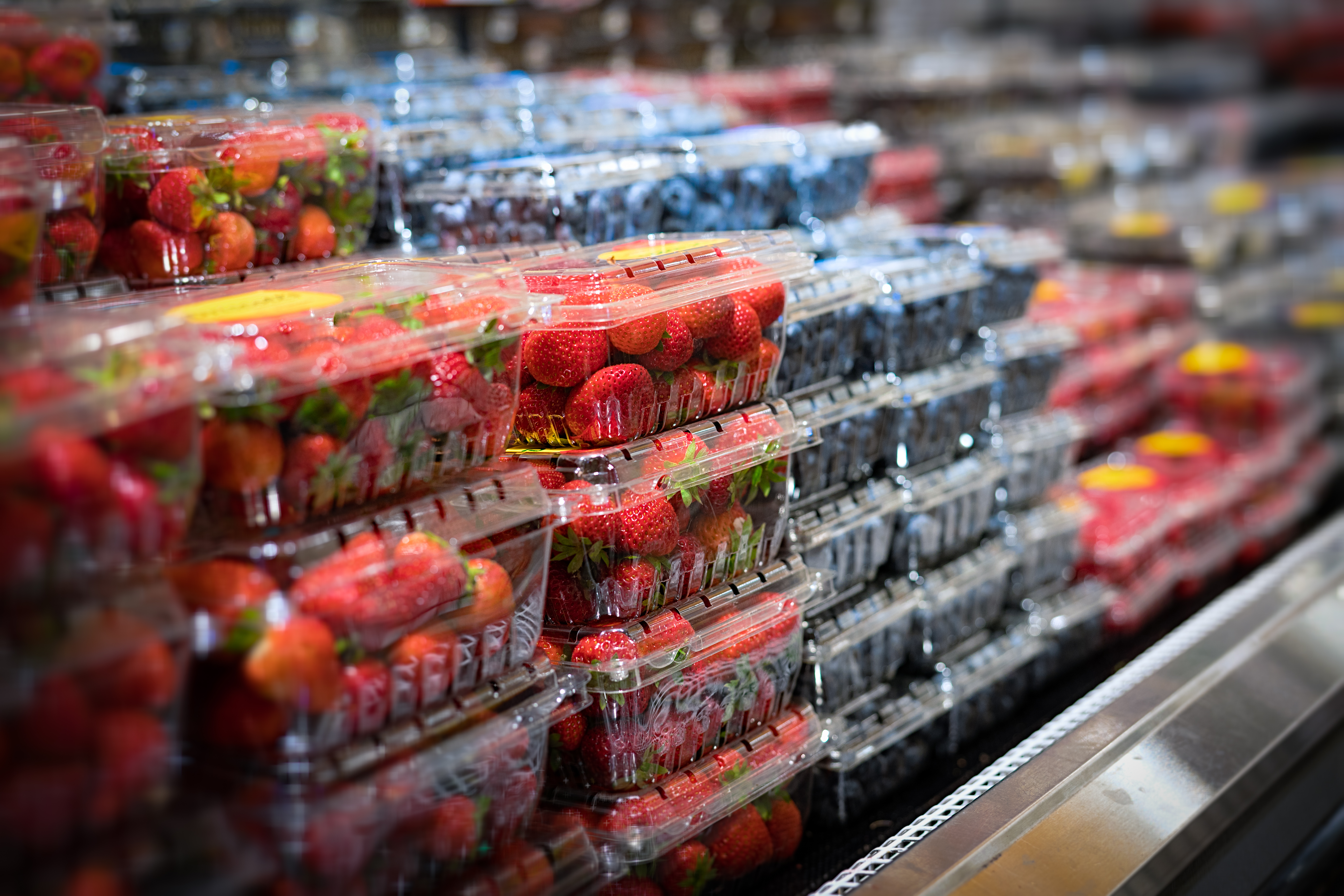
Rising costs linked to the Middle East conflict are beginning to hit UK fresh produce supply chains, with British berry growers warning of mounting pressure ahead of the summer season.
NewsSupply Chain

The British Retail Consortium has urged the government to act on costs “within its direct control” as retailers warn that disruption linked to the Middle East conflict will feed through into higher prices for shoppers.

New polling by Opinium for the BRC found that four in five consumers are worried the conflict will increase the cost of food, while 73 per cent expect it to push up the price of other products.

The retail body said the conflict was already adding pressure across the supply chain, with higher gas and electricity prices driving up the cost of production, shipping and distribution. These pressures are also expected to affect fertiliser, manufacturing and logistics costs in the months ahead.

While retailers are expected to absorb as much of the impact as possible, the BRC warned that some of the additional cost would “inevitably filter through to the till”.

However, it said the situation in the Gulf was only part of the challenge facing the sector. It pointed to a series of domestic policy costs which it said were adding billions of pounds of pressure to retailers at a time when supply chain resilience was becoming increasingly important.

According to the BRC, retailers have absorbed £6.5bn in additional employment costs over the past two years as a result of rising employer national insurance contributions and increases to the National Living Wage. The sector is also facing a new Extended Producer Responsibility packaging levy, which the BRC said would cost £1.6bn.

Further regulatory pressures are also due to land, including guaranteed hours provisions under the Employment Rights Act and proposed reforms to thousands of food lines under the new Nutrient Profiling Model.

The BRC said these policy-driven costs differed from wholesale energy prices because they do not fall when global markets stabilise.

The polling also found that 81 per cent of consumers are worried about rising energy bills, 76 per cent are concerned about petrol and diesel prices, and 68 per cent fear tax increases.

Food retailers met with Chancellor Rachel Reeves in early April to set out three key demands aimed at easing costs within the government’s control.

The first was the removal of non-commodity energy costs, including policy levies, network charges and system fees. The BRC said these now make up between 57 per cent and 65 per cent of a typical business electricity bill, compared with around 20 per cent a decade ago, and are projected to reach 75 per cent by 2030.

It said removing legacy Renewables Obligation and Feed-in Tariff costs would provide immediate relief for businesses, pointing to Germany’s decision to move renewable energy levies off business bills and onto general taxation.

The second ask was a delay to the implementation of the Nutrient Profiling Model, which the BRC said would require manufacturers to reformulate thousands of food products while also dealing with energy volatility and supply chain disruption.

The third was a review of what the BRC described as the “triple packaging levy”, covering the Extended Producer Responsibility levy, Plastic Packaging Tax and Packaging Recovery Notes. Together, it said these overlapping charges would cost retailers more than £2bn a year.

BRC chief executive Helen Dickinson said: “The Middle East conflict is driving up costs across the supply chain and families are right to be concerned. But not every pressure bearing down on retailers comes from the Gulf.

“Higher national insurance, packaging levies, new regulations, and business energy charges are all domestic policy decisions, made in Westminster, and they can be addressed there. Such action by government would help retailers to keep prices affordable for households.”

She added: “Other governments are already acting. Germany has reduced electricity costs for businesses by moving levies off bills and EU leaders are actively discussing similar responses to this crisis. The UK should be moving in the same direction, not treating global instability as cover for inaction on costs of its own making.

“Retailers are working hard to hold prices down, but they cannot do it alone. Every cost government chooses not to address is a cost that will find its way into someone’s shopping basket. That is a political choice, and it is one ministers still have time to change – but the window to act is closing.”

Click here to sign up to Retail Gazette‘s free daily email newsletter

NewsSupply Chain

Leave a Reply

Your email address will not be published. Required fields are marked *

Fill out this field
Fill out this field
Please enter a valid email address.

BRC urges government action as retailers warn Middle East conflict will push up food prices

Rising costs linked to the Middle East conflict are beginning to hit UK fresh produce supply chains, with British berry growers warning of mounting pressure ahead of the summer season.

The British Retail Consortium has urged the government to act on costs “within its direct control” as retailers warn that disruption linked to the Middle East conflict will feed through into higher prices for shoppers.

New polling by Opinium for the BRC found that four in five consumers are worried the conflict will increase the cost of food, while 73 per cent expect it to push up the price of other products.

The retail body said the conflict was already adding pressure across the supply chain, with higher gas and electricity prices driving up the cost of production, shipping and distribution. These pressures are also expected to affect fertiliser, manufacturing and logistics costs in the months ahead.

While retailers are expected to absorb as much of the impact as possible, the BRC warned that some of the additional cost would “inevitably filter through to the till”.

However, it said the situation in the Gulf was only part of the challenge facing the sector. It pointed to a series of domestic policy costs which it said were adding billions of pounds of pressure to retailers at a time when supply chain resilience was becoming increasingly important.

According to the BRC, retailers have absorbed £6.5bn in additional employment costs over the past two years as a result of rising employer national insurance contributions and increases to the National Living Wage. The sector is also facing a new Extended Producer Responsibility packaging levy, which the BRC said would cost £1.6bn.

Further regulatory pressures are also due to land, including guaranteed hours provisions under the Employment Rights Act and proposed reforms to thousands of food lines under the new Nutrient Profiling Model.

The BRC said these policy-driven costs differed from wholesale energy prices because they do not fall when global markets stabilise.

The polling also found that 81 per cent of consumers are worried about rising energy bills, 76 per cent are concerned about petrol and diesel prices, and 68 per cent fear tax increases.

Food retailers met with Chancellor Rachel Reeves in early April to set out three key demands aimed at easing costs within the government’s control.

The first was the removal of non-commodity energy costs, including policy levies, network charges and system fees. The BRC said these now make up between 57 per cent and 65 per cent of a typical business electricity bill, compared with around 20 per cent a decade ago, and are projected to reach 75 per cent by 2030.

It said removing legacy Renewables Obligation and Feed-in Tariff costs would provide immediate relief for businesses, pointing to Germany’s decision to move renewable energy levies off business bills and onto general taxation.

The second ask was a delay to the implementation of the Nutrient Profiling Model, which the BRC said would require manufacturers to reformulate thousands of food products while also dealing with energy volatility and supply chain disruption.

The third was a review of what the BRC described as the “triple packaging levy”, covering the Extended Producer Responsibility levy, Plastic Packaging Tax and Packaging Recovery Notes. Together, it said these overlapping charges would cost retailers more than £2bn a year.

BRC chief executive Helen Dickinson said: “The Middle East conflict is driving up costs across the supply chain and families are right to be concerned. But not every pressure bearing down on retailers comes from the Gulf.

“Higher national insurance, packaging levies, new regulations, and business energy charges are all domestic policy decisions, made in Westminster, and they can be addressed there. Such action by government would help retailers to keep prices affordable for households.”

She added: “Other governments are already acting. Germany has reduced electricity costs for businesses by moving levies off bills and EU leaders are actively discussing similar responses to this crisis. The UK should be moving in the same direction, not treating global instability as cover for inaction on costs of its own making.

“Retailers are working hard to hold prices down, but they cannot do it alone. Every cost government chooses not to address is a cost that will find its way into someone’s shopping basket. That is a political choice, and it is one ministers still have time to change – but the window to act is closing.”

Click here to sign up to Retail Gazette‘s free daily email newsletter

Social


SUBSCRIBE TO OUR DAILY NEWSLETTER

  • This field is for validation purposes and should be left unchanged.
NewsSupply Chain

Leave a Reply

Your email address will not be published. Required fields are marked *

Fill out this field
Fill out this field
Please enter a valid email address.

RELATED STORIES

Latest Feature


Menu

Get Inside Matalan

A supply chain case study delivered to your inbox in three emails. The 3 elements Matalan changed to impact its bottom line..

Matalan Supply Chain Programme Form

  • This field is for validation purposes and should be left unchanged.


Close popup

Please enter the verification code sent to your email: